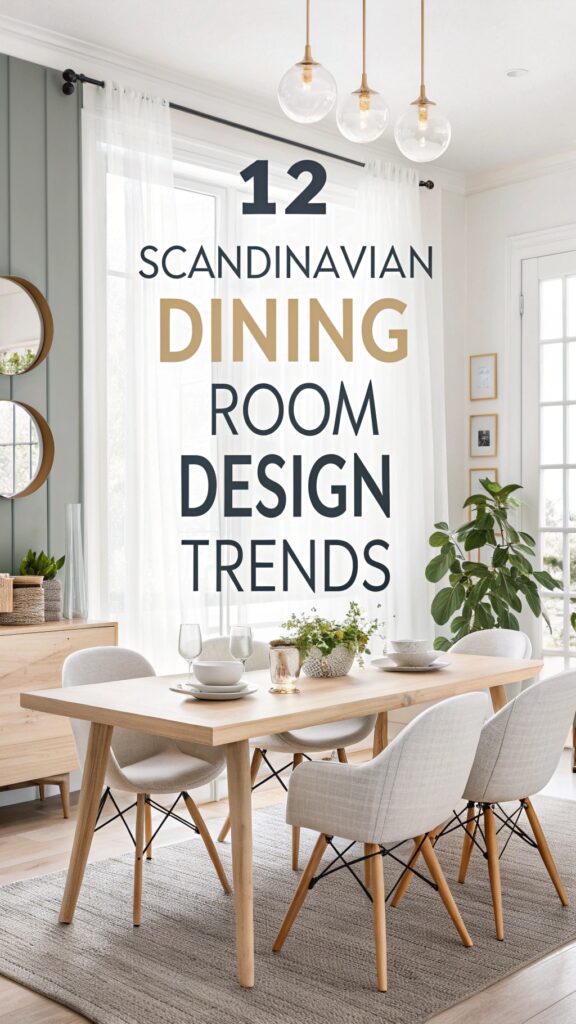
Scandinavian dining rooms are entering a softer, more expressive era. Clean lines still anchor the space, but warmth now takes center stage.
Pale woods mingle with richer grains, while layered textiles and tactile finishes add quiet depth. Minimalism hasn’t disappeared it has matured.
Personal accents, sculptural lighting, and subtle contrasts replace icy restraint, creating rooms that feel lived-in yet refined. The result is a dining space that balances Nordic practicality with comfort, character, and a distinctly modern sense of calm.
Why Choose Scandinavian Design?
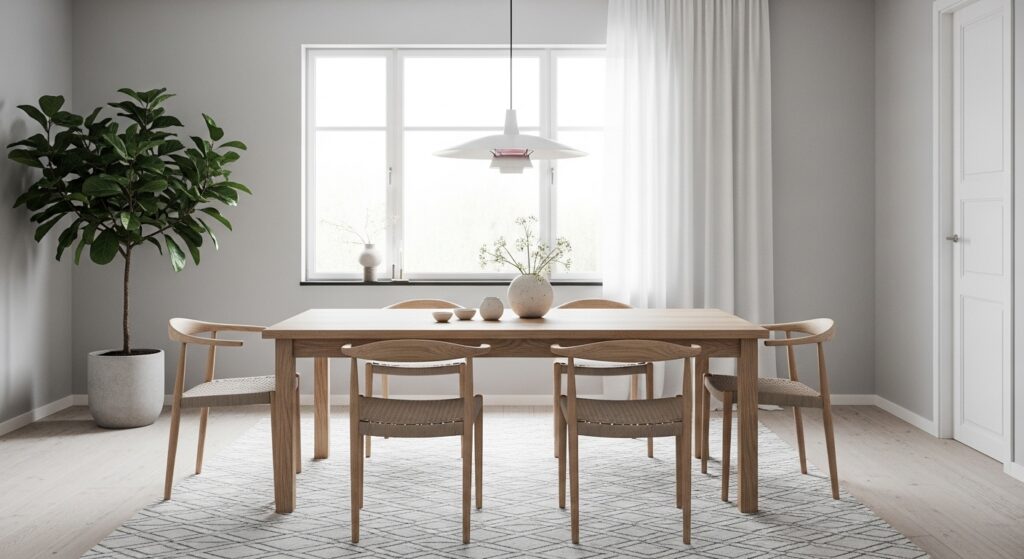
Adopting a Scandinavian approach to your dining room offers more than just visual appeal; it cultivates a lifestyle centered on balance and well-being.
This design philosophy prioritizes intentional living, where every object has a purpose and clutter is minimized to reduce mental stress.
By focusing on natural light, organic materials, and open layouts, these spaces foster a sense of calm and connection. It creates an inviting atmosphere that encourages lingering meals and meaningful conversation, making your dining area a true sanctuary from the busy outside world.
1. Soft Minimalism & Warm Neutrals
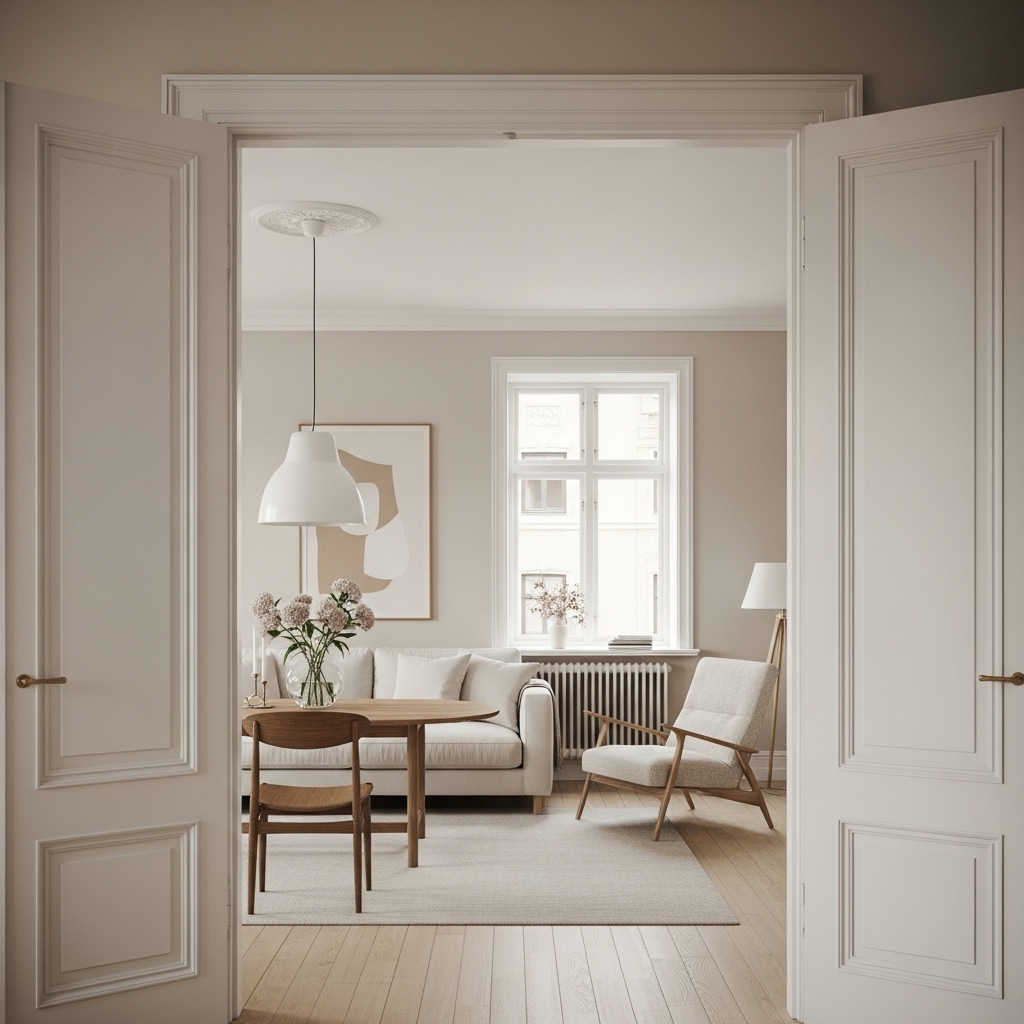
The era of clinical, all-white Nordic interiors is slowly fading, making way for a softer and more inviting interpretation of minimalism.
This trend focuses on layering warm whites, creams, and soft beiges to create a cocooning effect rather than a stark gallery feel.
By using tone-on-tone palettes, you maintain the signature airiness of Scandinavian style while adding depth and visual comfort. The key is to vary the finishes pairing matte walls with satin woodwork to prevent the neutral scheme from feeling flat or uninspired.
2. Sustainable & Eco-Conscious Materials
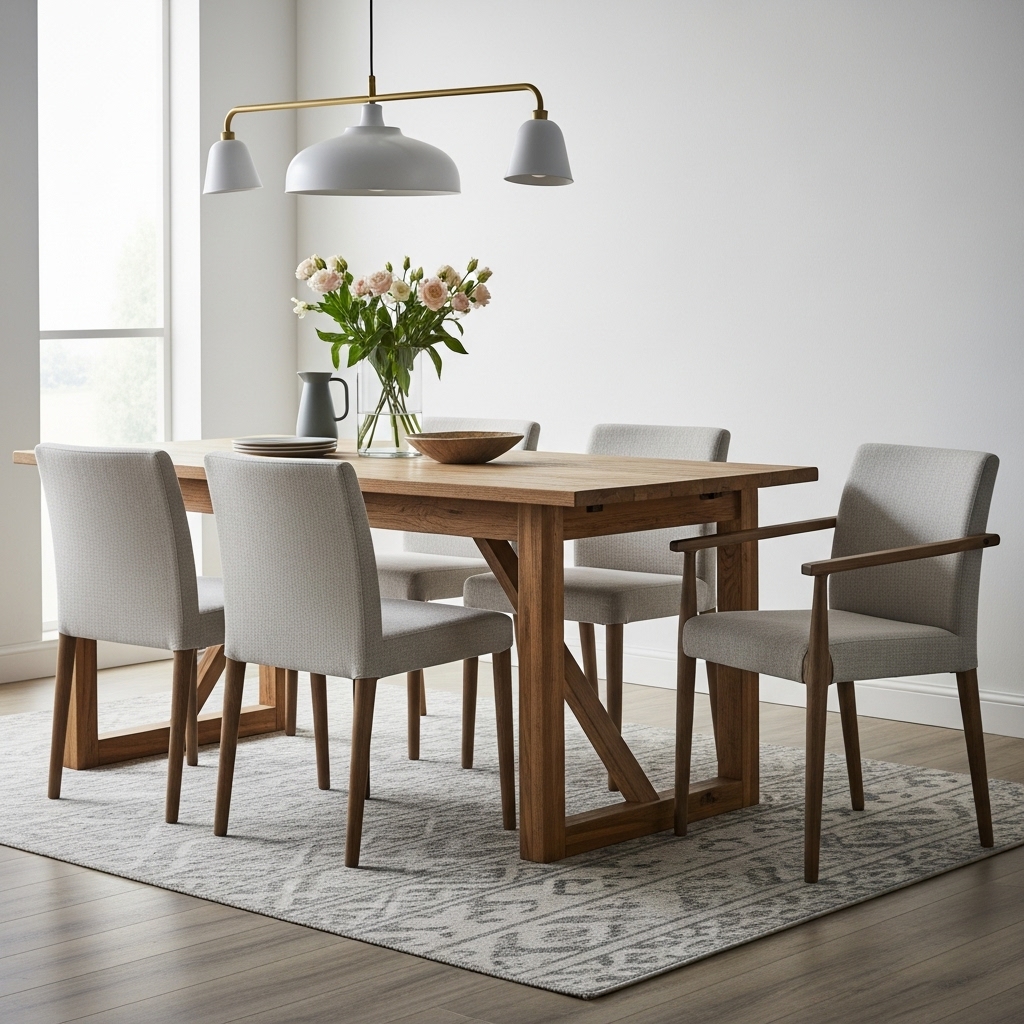
Sustainability is no longer just a buzzword but a fundamental pillar of modern Scandinavian design principles.
Homeowners are increasingly seeking dining furniture crafted from reclaimed woods, recycled plastics, and ethically sourced fibers.
This trend champions longevity over fast fashion, encouraging investment in high-quality pieces that will stand the test of time. Look for dining tables made from FSC-certified timber or chairs upholstered in organic linen.
These choices not only reduce your environmental footprint but also add a rich, authentic story to your dining space.
3. Japandi Fusion Aesthetics
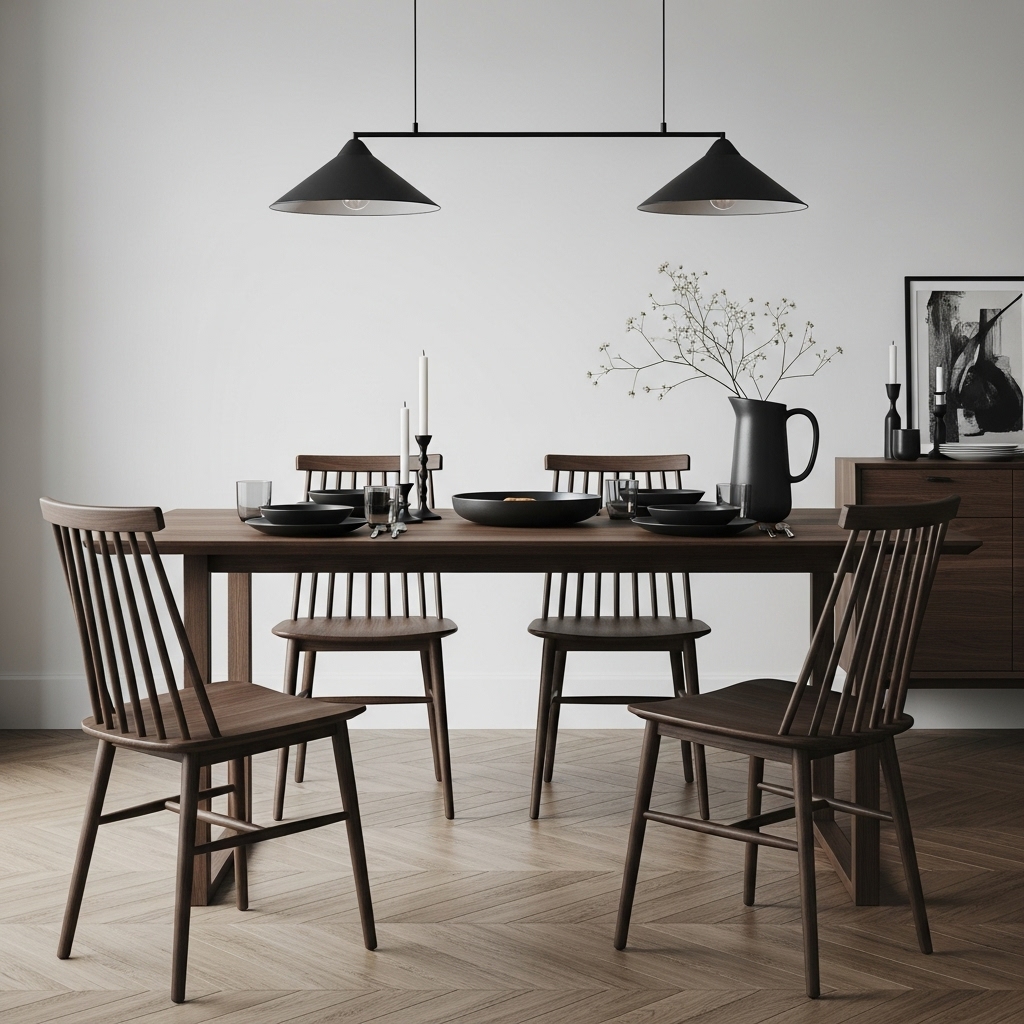
The harmonious marriage of Japanese rustic minimalism and Scandinavian functionality, known as Japandi, continues to dominate dining room designs.
This trend emphasizes low-profile furniture, clean lines, and a profound appreciation for empty space. Expect to see dining tables with lower heights paired with slat-back chairs that mimic traditional Japanese architecture.
The color palette is often moodier than traditional Scandi styles, incorporating darker woods like walnut alongside black accents. It creates a grounded, serene environment that feels sophisticated yet incredibly simple and uncluttered.
4. Statement Sculptural Lighting
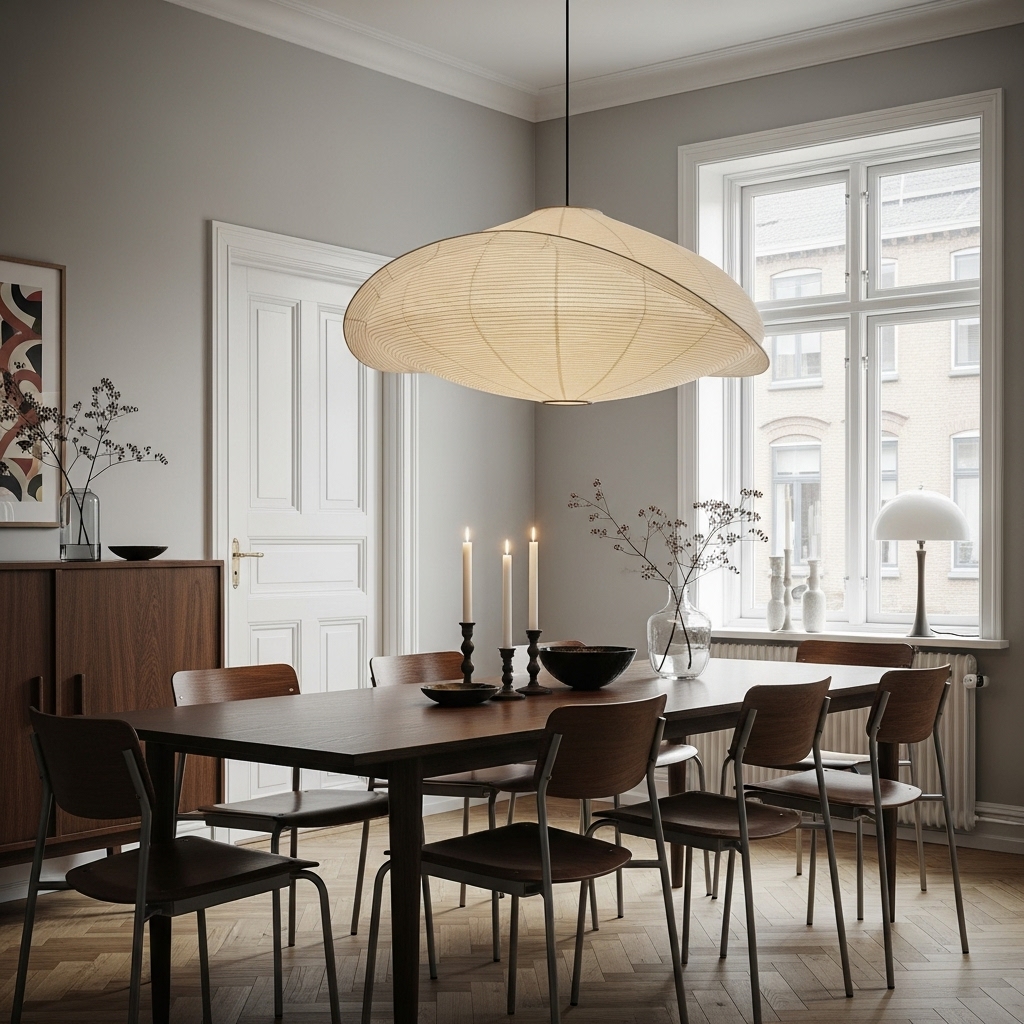
Lighting in Scandinavian dining rooms is shifting from purely functional background elements to striking artistic focal points.
Large, sculptural pendant lights are being used to anchor the dining table, acting as the room’s “jewelry.” The designs often feature organic shapes, paper lanterns, or blown glass that diffuse light softly, avoiding harsh glare.
This trend allows you to keep the rest of the room relatively simple while letting the light fixture add drama and personality. It serves as a conversation starter and sets the mood for intimate dinners.
5. Tactile Textiles & Hygge Layers
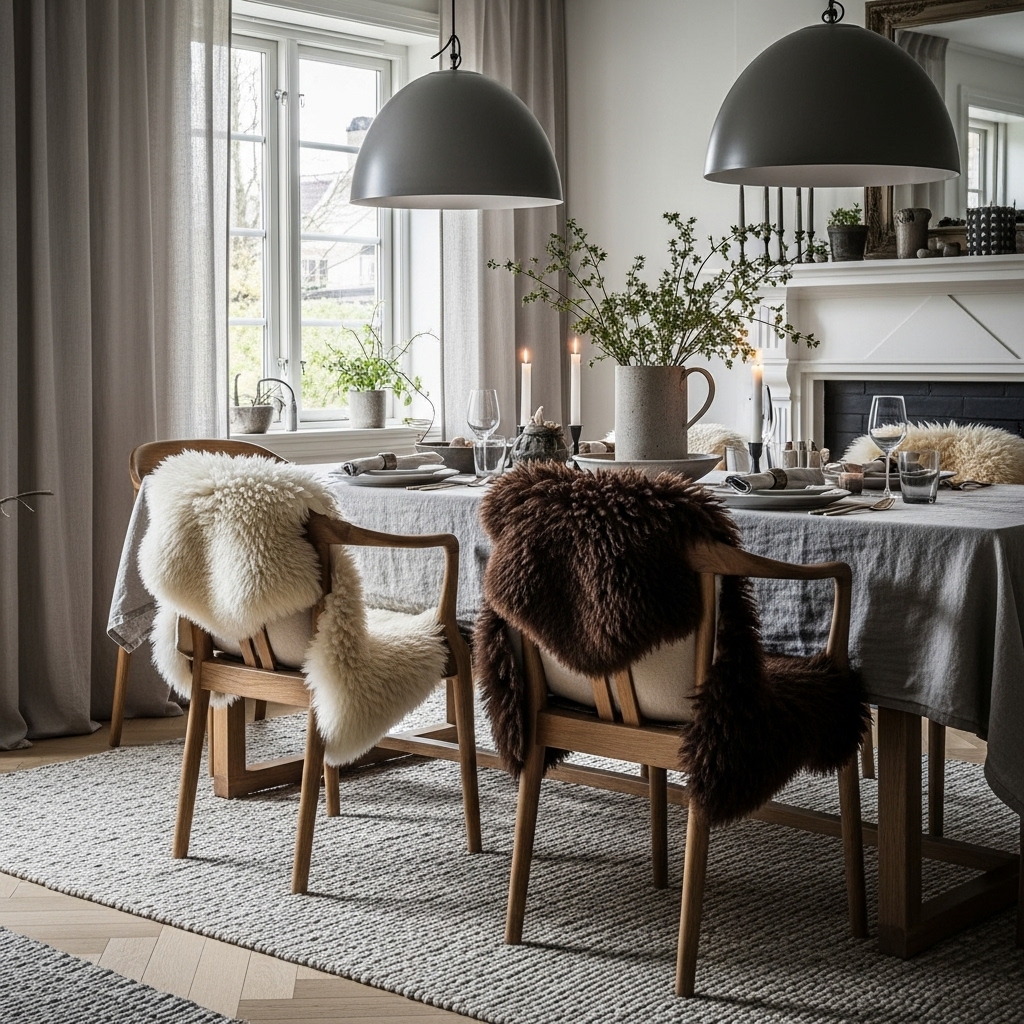
To counter the clean lines of Nordic furniture, there is a strong emphasis on introducing rich, tactile textures into the dining area. “Hygge,” the Danish concept of coziness, is achieved through sheepskin throws draped over wooden chairs, heavy linen tablecloths, and wool area rugs.
These soft layers add physical warmth and acoustic dampening, making the dining room feel intimate and comfortable. Mixing textures like rough bouclé against smooth wood adds sensory interest that makes the space feel lived-in and welcoming rather than precious.
6. Organic Curves & Fluid Shapes
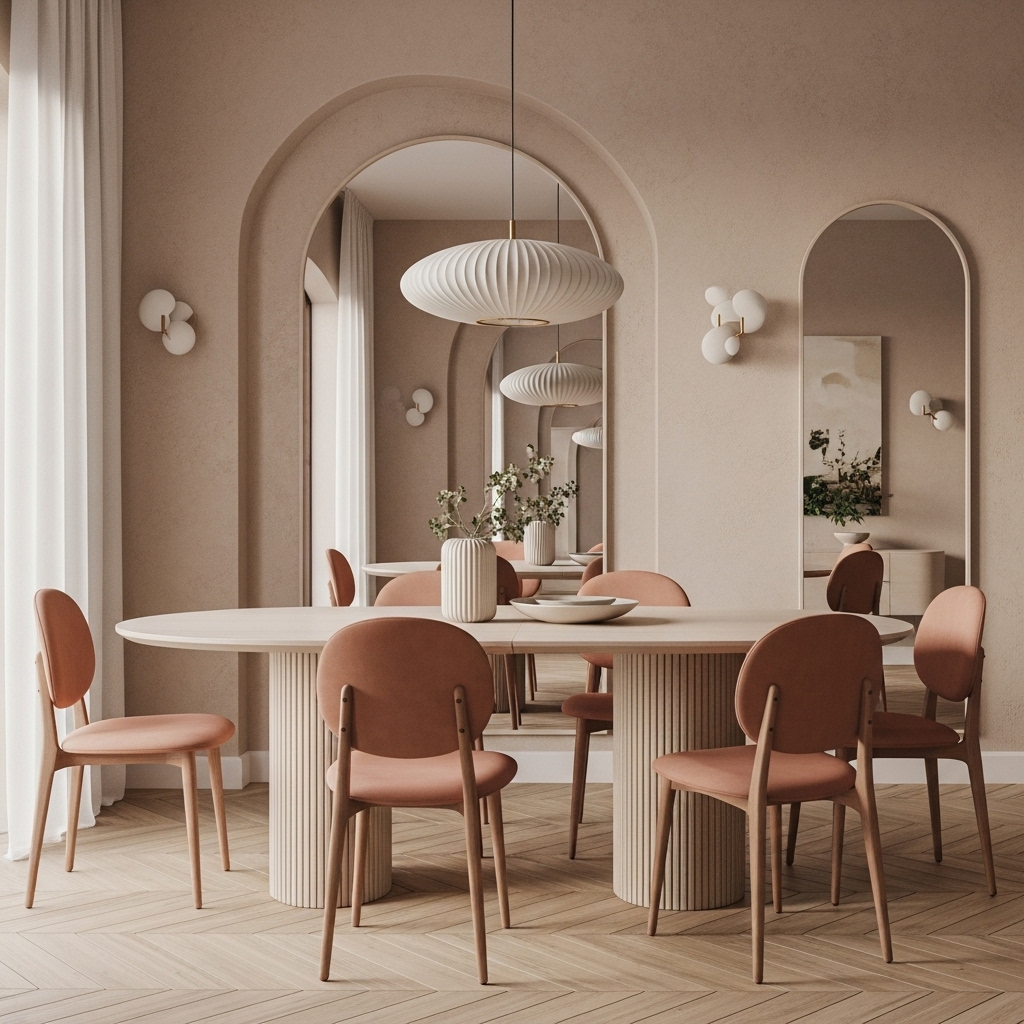
Strict geometric lines are softening as organic curves take center stage in dining furniture and architectural details.
Oval and round dining tables are becoming preferred over rectangular ones, promoting better flow and conversation among guests. Chairs with rounded backs and arched doorways or mirrors reflect forms found in nature, breaking up the rigidity of a room.
This fluidity creates a gentler visual rhythm, making the dining space feel more relaxed and less formal. It’s about embracing imperfection and shapes that feel comfortable to the human body.
7. Biophilic Elements & Indoor Greenery
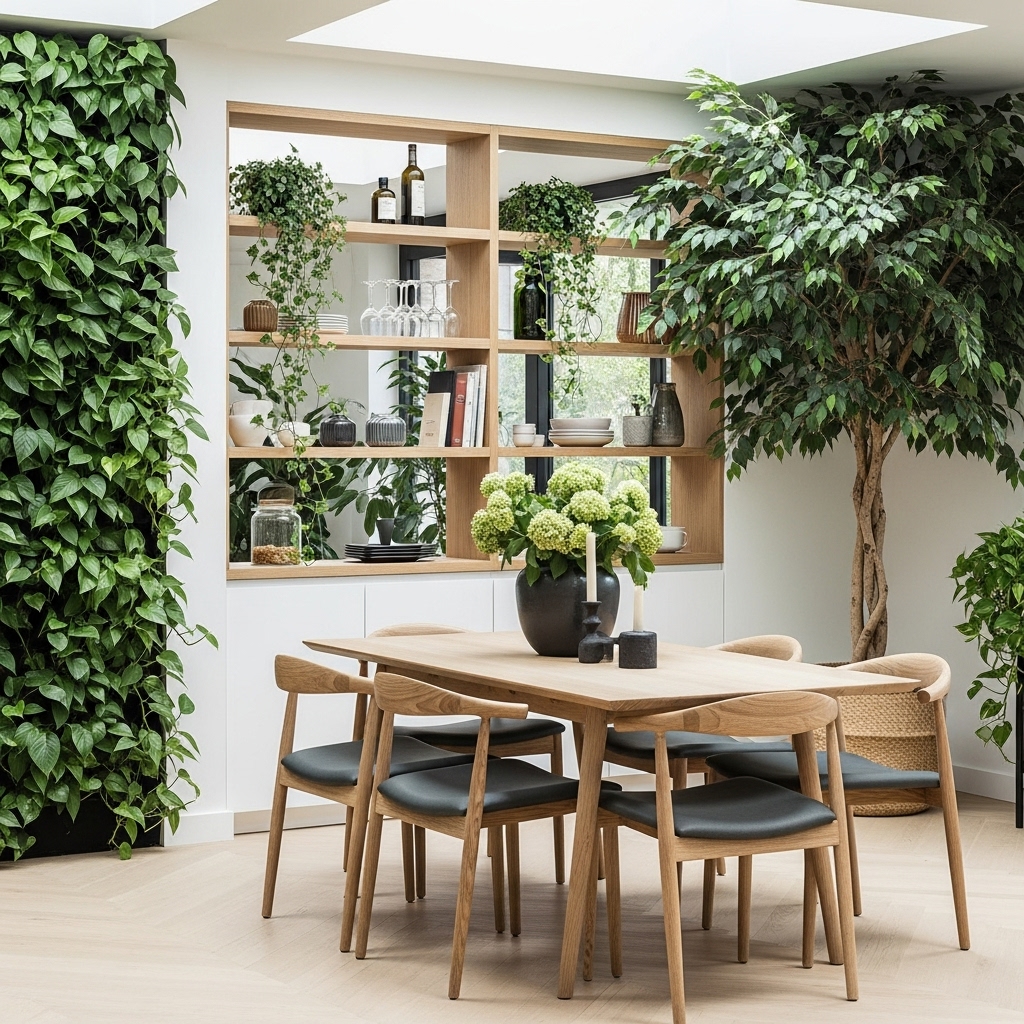
Connecting with nature remains a core tenet, but the application is becoming more intentional and structural. Beyond a simple potted plant, this trend involves integrating greenery into the architecture of the dining room.
Think vertical gardens, large indoor trees placed in corners, or trailing vines on open shelving. The goal is to blur the boundary between indoors and outdoors, improving air quality and boosting mood.
Natural wood finishes are left raw or oiled to highlight the grain, further reinforcing this organic, grounding connection to the natural world.
8. Multifunctional & Extendable Furniture
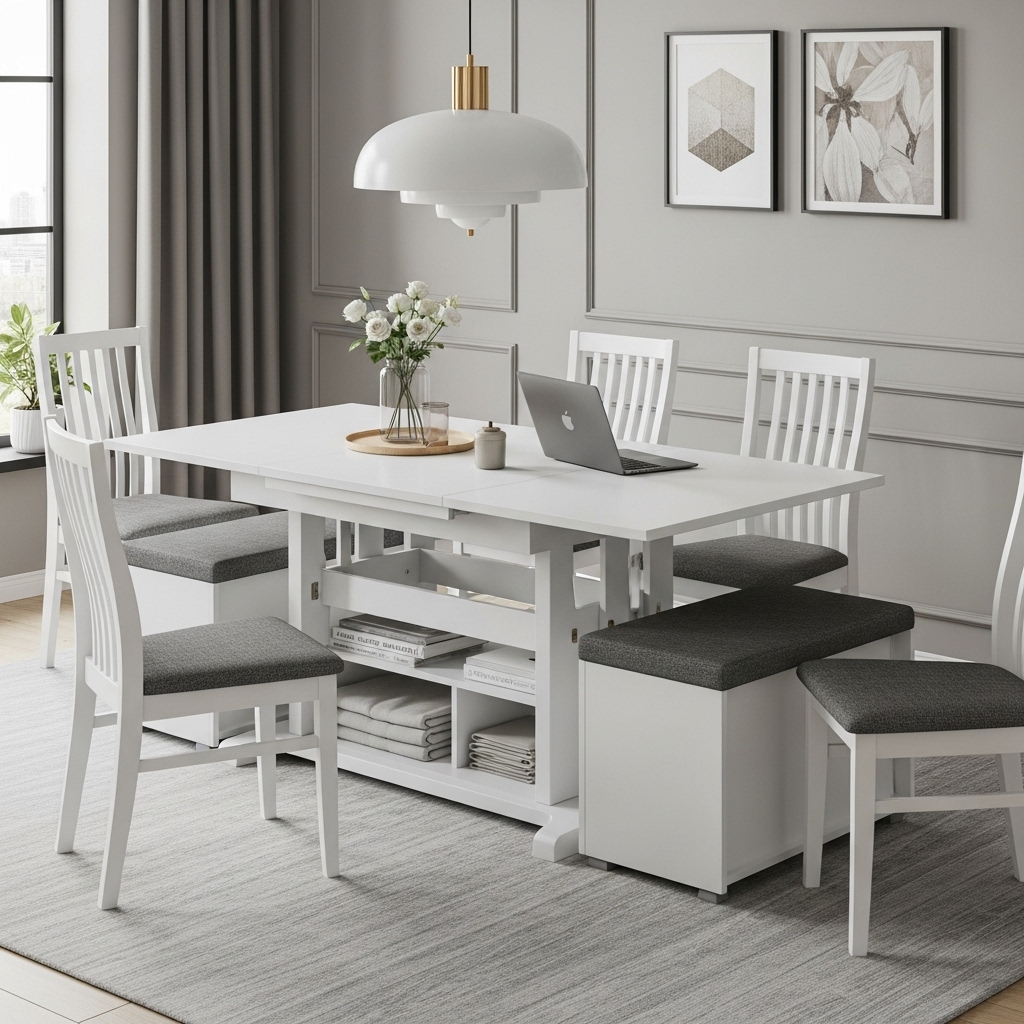
As urban living spaces shrink, the demand for versatile, hardworking furniture in the dining room has skyrocketed. This trend highlights extendable tables that can transform from a four-person breakfast spot to a ten-person dinner party setting seamlessly.
Storage benches that tuck away linens or work-from-home supplies are also popular, maximizing utility without sacrificing style.
The focus is on clever engineering where mechanisms are hidden, maintaining the sleek, uncluttered silhouette essential to Scandinavian design while adapting to the dynamic needs of modern life.
9. Bold Matte Black Accents
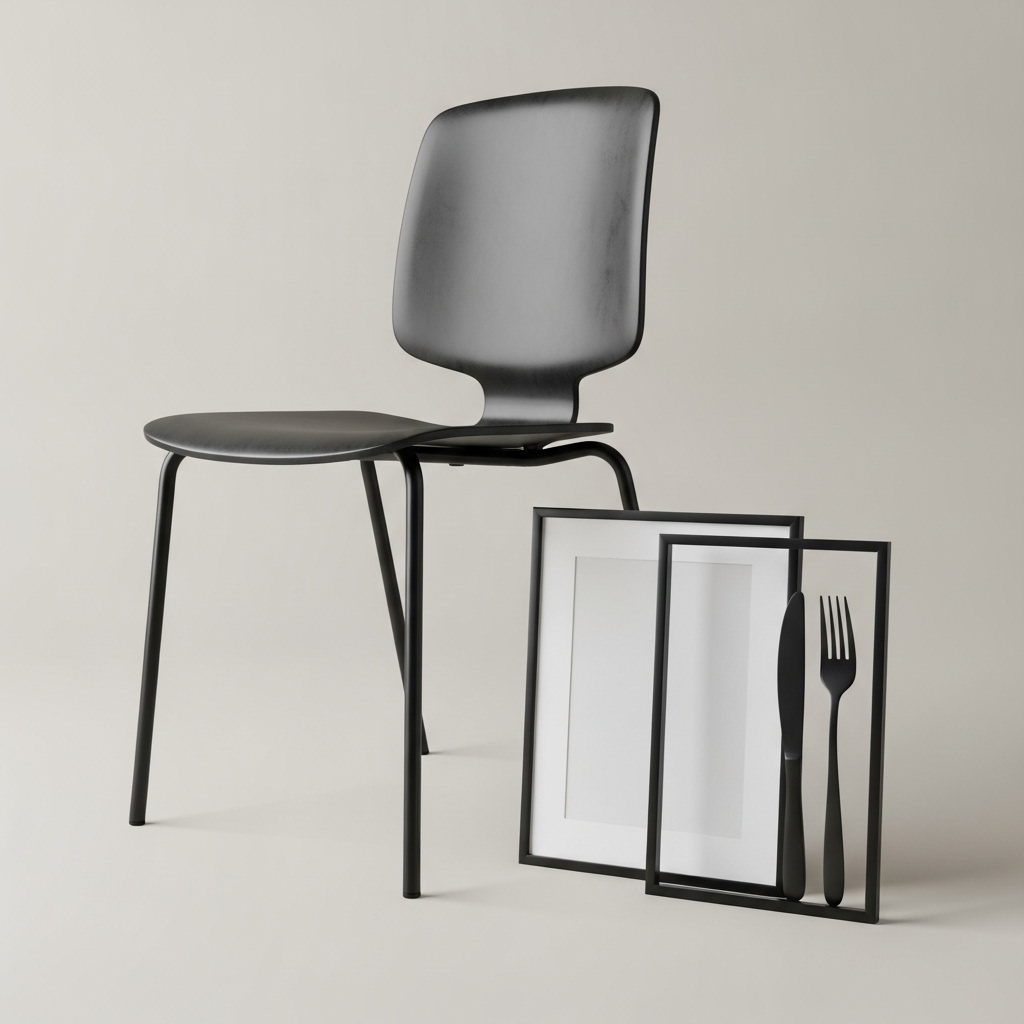
While light neutrals dominate, matte black is emerging as the essential anchor color to provide necessary contrast. This trend uses black sparingly but effectively think slender black metal chair legs, sleek picture frames, or matte black cutlery.
These dark accents act as punctuation marks in a light room, defining edges and preventing the space from floating away visually. The matte finish is crucial; it absorbs light rather than reflecting it, keeping the look modern and understated rather than flashy or industrial.
10. Earthy Color Palettes
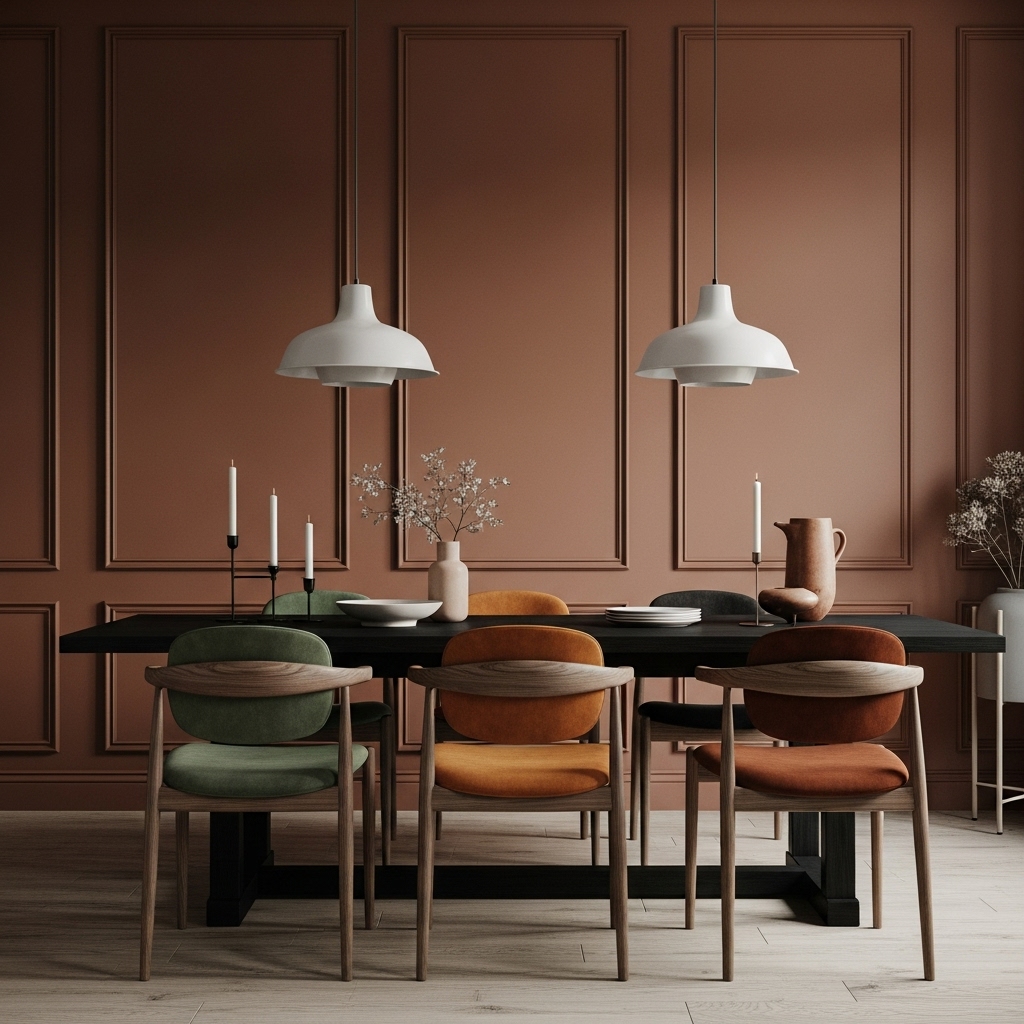
Stepping away from the monochrome gray scale, new Scandinavian trends embrace colors sourced directly from the earth.
Warm terracotta, sage green, muddy browns, and deep ochre are being used on walls or in upholstery. These hues are muted and dusted, never bright or primary, ensuring they blend harmoniously with natural wood tones.
This shift brings a sense of grounding and stability to the dining room. It reflects the changing seasons outside and adds a layer of emotional warmth that pure white sometimes lacks.
11. Vintage & Retro Revivals
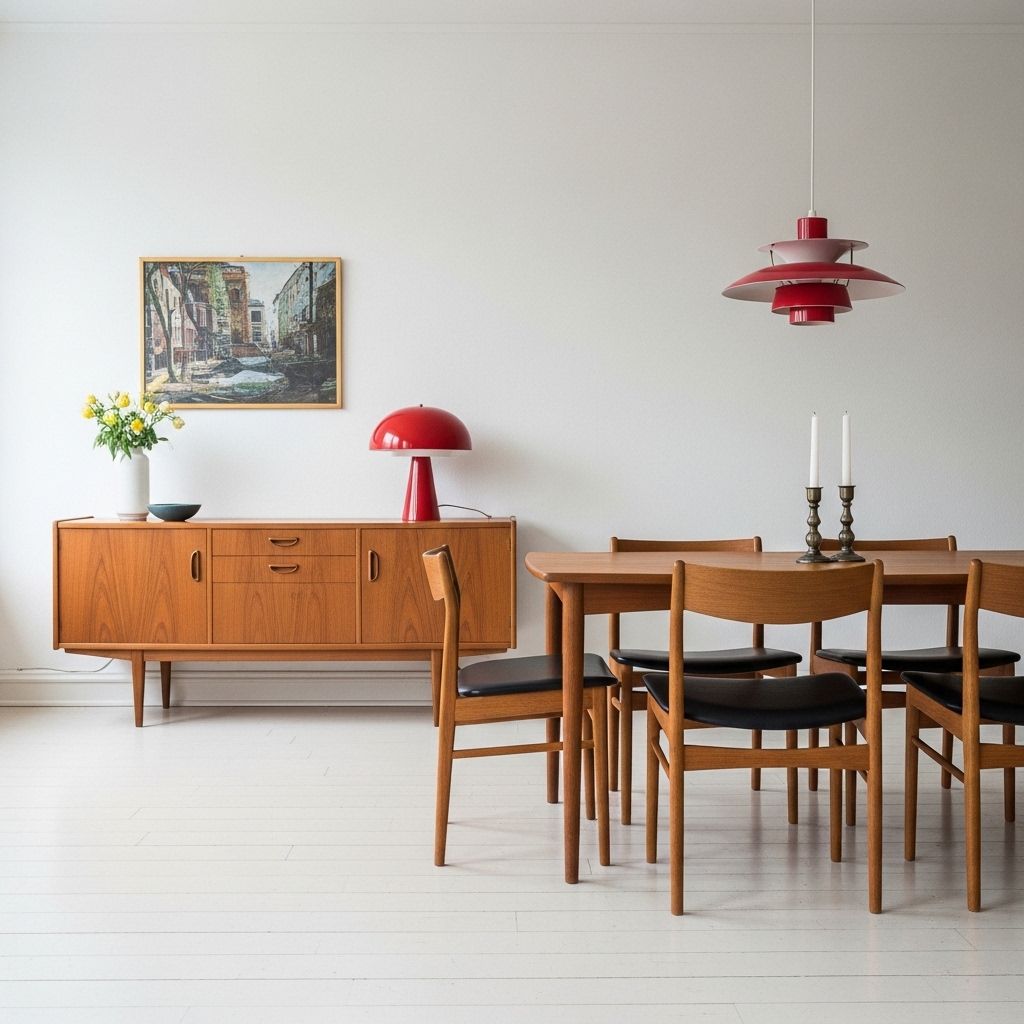
There is a growing appreciation for the heritage of Nordic design, leading to a revival of mid-century classics. This trend involves mixing brand-new pieces with vintage finds, such as an original 1960s sideboard or restored teak dining chairs.
It adds soul and character to the room, preventing it from looking like a catalog showroom. The slightly worn patinas of vintage wood contrast beautifully with modern crisp walls.
It celebrates the timeless quality of Scandinavian craftsmanship, proving that good design never truly goes out of style.
12. Minimalist Gallery Walls
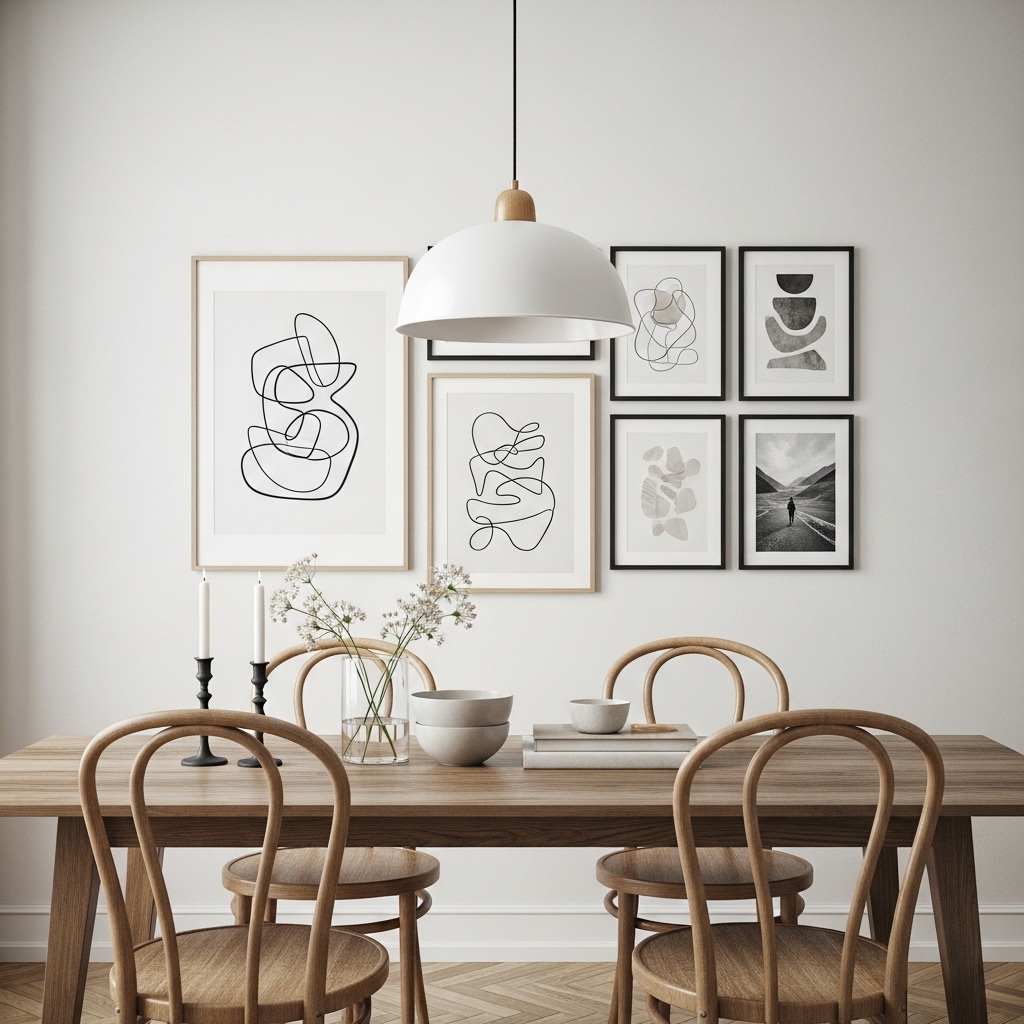
Decorating vertical space without creating clutter is a fine art in Scandinavian interiors, leading to the rise of the minimalist gallery wall.
Instead of filling every inch, this trend uses a few carefully selected large-scale prints or a grid of smaller, cohesive images with ample negative space.
The frames are typically uniform in wood or black, and the art often features abstract forms, line drawings, or black-and-white photography. This approach adds personality and a focal point without overwhelming the serene atmosphere of the dining room.
Tips for Achieving the Look
- Declutter First: Before buying anything, remove unnecessary items to create a blank canvas.
- Invest in Quality: Choose one or two high-quality pieces, like a solid wood table, rather than filling the room with cheap items.
- Layer Lighting: Use a mix of overhead pendants, floor lamps, and candles to create adjustable ambience.
- Mix Woods: Don’t be afraid to mix different wood tones (e.g., oak and walnut) as long as the undertones harmonize.
Conclusion
Creating a Scandinavian-inspired dining room is about more than just following a set of rules; it is about cultivating a feeling.
It is the balance between functionality and coziness, the blend of old and new, and the respect for natural materials that makes this style so enduring.
By incorporating these trends whether it is a sculptural light fixture or a touch of earthy color you can build a space that is not only beautiful to look at but also a joy to live in.
Frequently Asked Questions
Q: Can I use dark colors in a Scandinavian dining room? A: Yes, absolutely. While the traditional palette is light, deep muted tones like forest green, charcoal, or navy can work beautifully as accent walls or in upholstery. The key is to balance them with plenty of natural light and light wood tones to ensure the room doesn’t feel heavy or gloomy.
Q: Is Scandinavian design expensive to achieve? A: Not necessarily. The philosophy relies on “less is more,” so you often need fewer pieces of furniture. You can achieve the look by decluttering, painting walls a fresh warm white, and investing in a few key versatile items. Second-hand shops are also excellent sources for authentic mid-century Scandinavian pieces at lower prices.
Q: How do I make a minimalist room feel cozy? A: Texture is your best friend. Incorporate soft elements like a high-pile rug, linen curtains, or sheepskin throws on hard chairs. Warm lighting also plays a huge role; avoid cool white bulbs and opt for warm, dimmable LEDs to create a soft, inviting glow in the evenings.