Drought-tolerant landscaping turns scorching climates into lush, resilient spaces without constant watering. By combining water-wise plants, thoughtful layouts, and efficient features, outdoor areas stay beautiful while using far less water.
Drawing on proven approaches like xeriscaping and region-native species, these 12 ideas can reduce irrigation needs by up to 50 percent. The result is stronger curb appeal, healthier plants, and a landscape that thrives even when rainfall is scarce. Maintenance drops, costs fall, and sustainability becomes a natural part of design.
Why Choose Drought-Tolerant Landscaping
Hot climates demand landscapes that thrive on minimal irrigation amid rising water costs and restrictions. Opting for drought-tolerant designs saves 30-80% on outdoor water bills, reduces maintenance, and supports local ecosystems by favoring native plants that attract pollinators.
These approaches resist erosion, lower utility expenses, and create resilient yards that stay lush through dry spells without constant upkeep.
1. Xeriscaping Basics
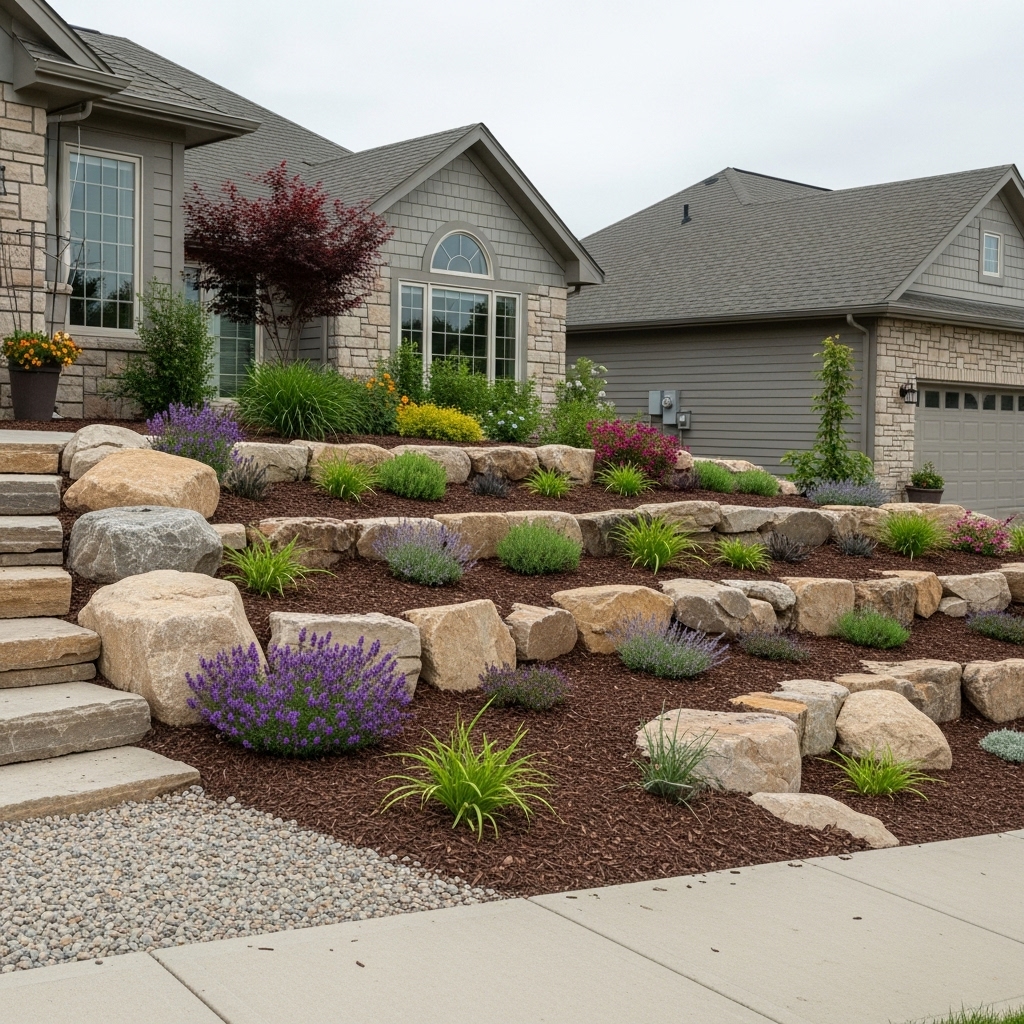
Xeriscaping moves beyond water-hungry lawns, replacing them with thoughtfully layered plants, organic mulch, and smartly planned zones that echo arid landscapes.
Plants are arranged by water demand, thirstier varieties settling at the base of slopes, tougher ones higher up to work with natural runoff. Gravel walkways and sculptural boulders add structure and texture.
Once established, this approach dramatically reduces water use, often by nearly half, while remaining visually striking.
2. Succulent Gardens
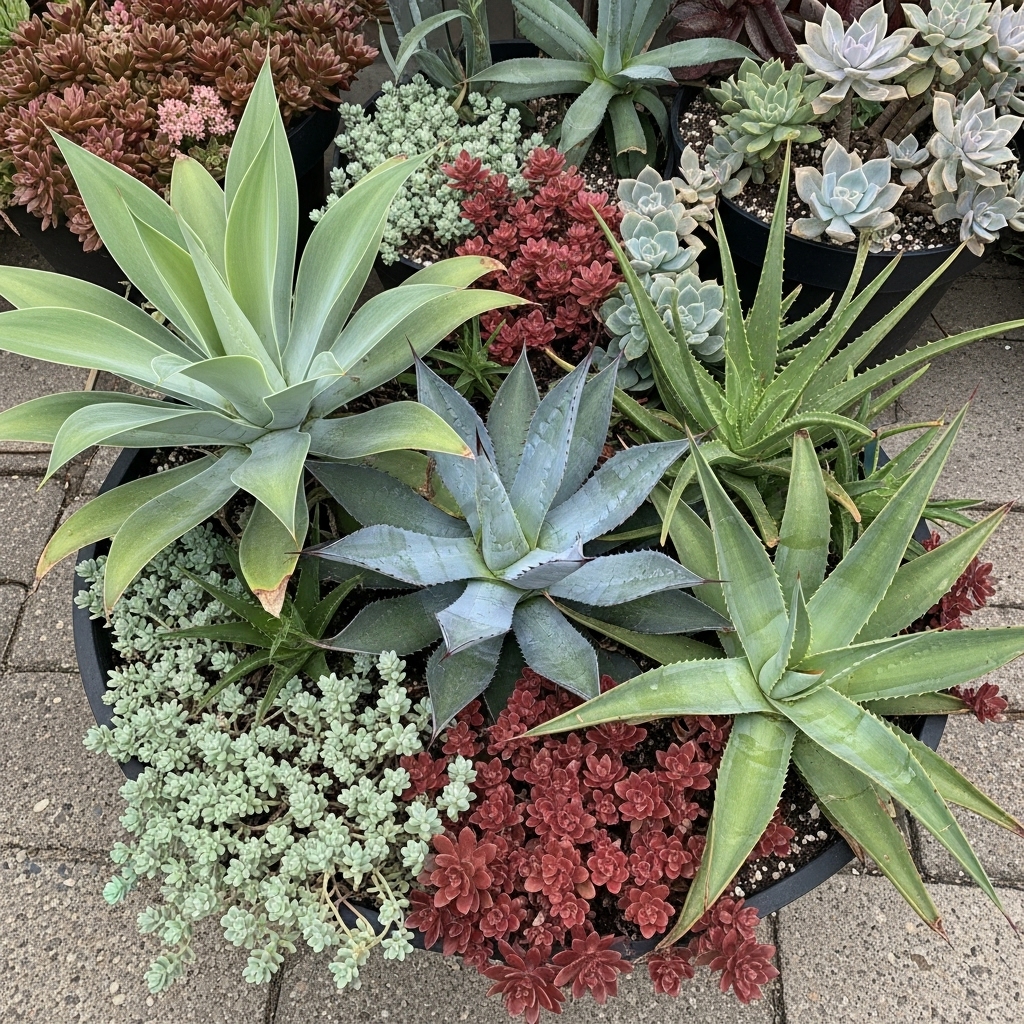
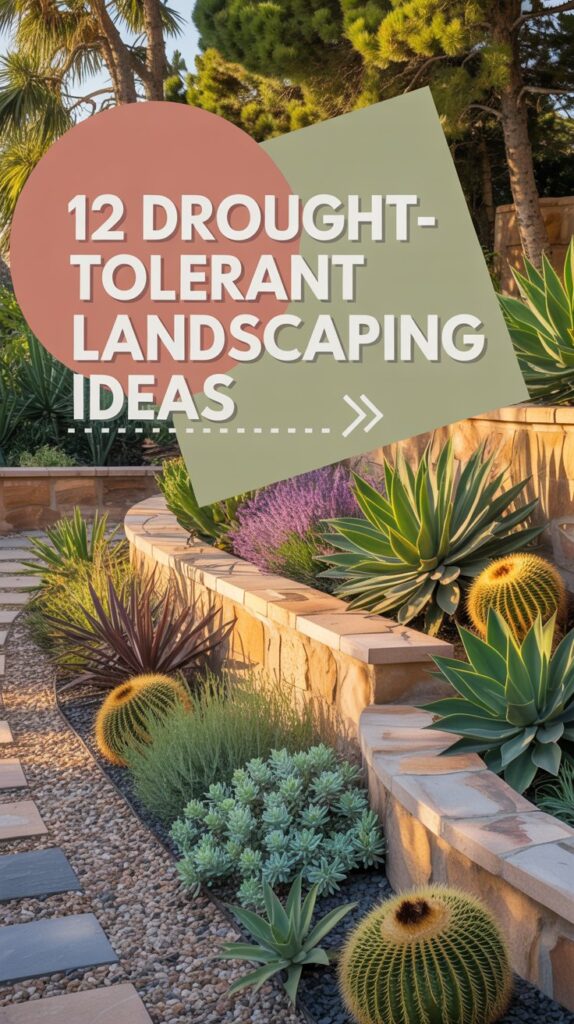
Succulent gardens thrive on restraint. Plants such as agave, aloe, and sedum hoard moisture inside fleshy leaves, so watering is needed only occasionally, sometimes weeks apart. Arrange them in containers or ground beds filled with sharply draining soil to prevent rot.
Their sculptural forms deliver striking texture and dependable color all year. Mix green, blue, and red varieties to create focal points that tolerate fierce sunlight and stay crisp rather than collapsing, even during scorching summers and prolonged dry spells.
3. Native Plant Gardens
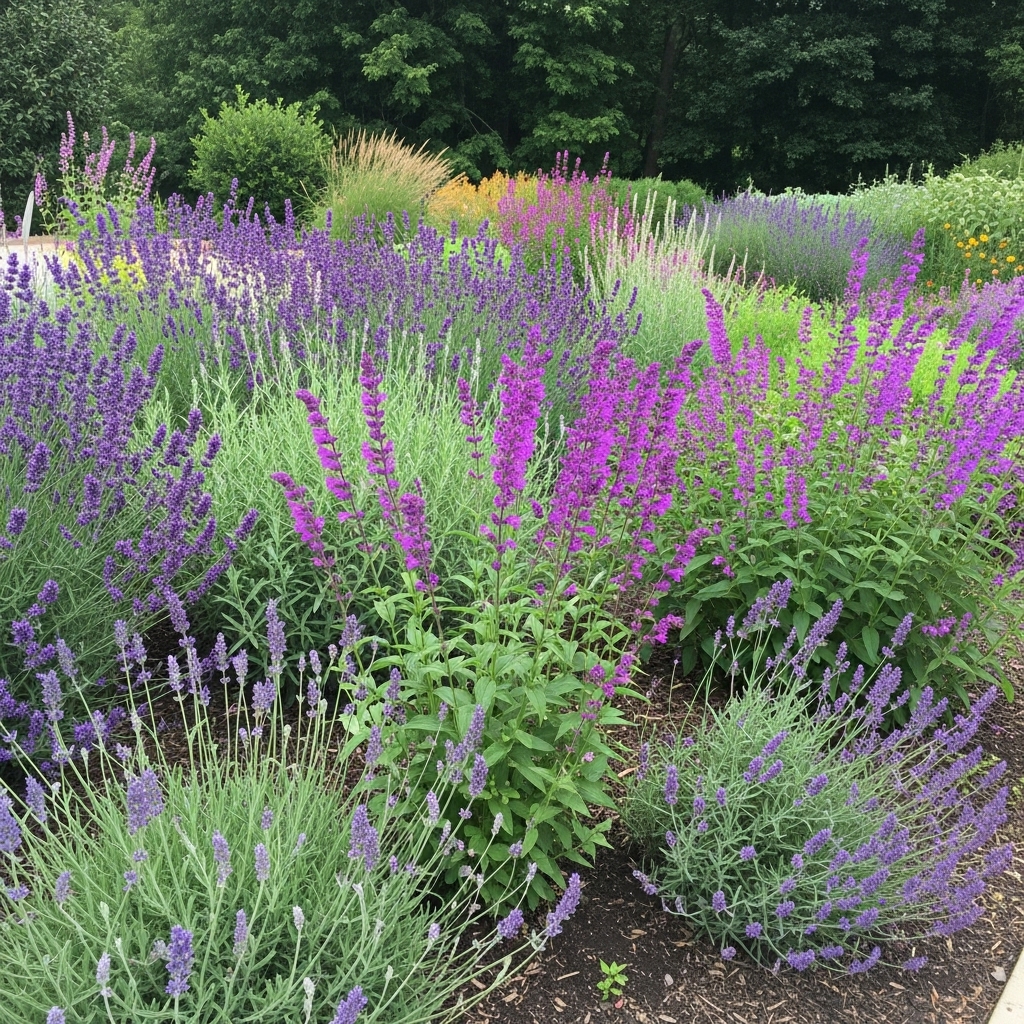
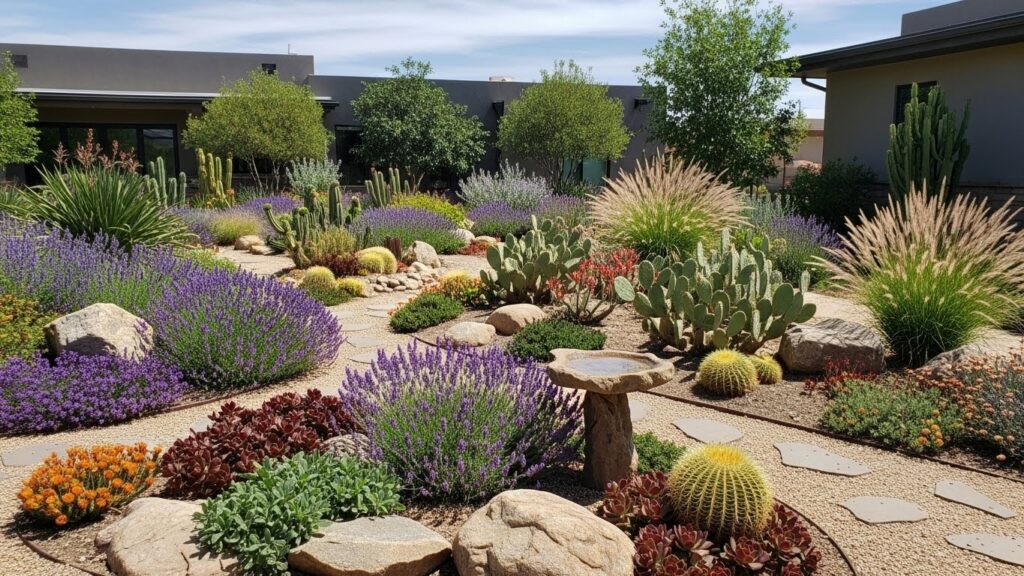
Native plant gardens thrive because they belong exactly where they’re planted. Lavender, salvia, and penstemon are shaped by local heat and soil, so once established, rainfall is usually enough. No constant fuss. No excess water.
These plants quietly invite butterflies, bees, and birds, turning a yard into a living ecosystem. Grouped in loose drifts, their blooms roll across the landscape in soft waves, creating movement, balance, and a naturally pollinator-friendly rhythm that feels effortless and alive.
4. Rock Gardens
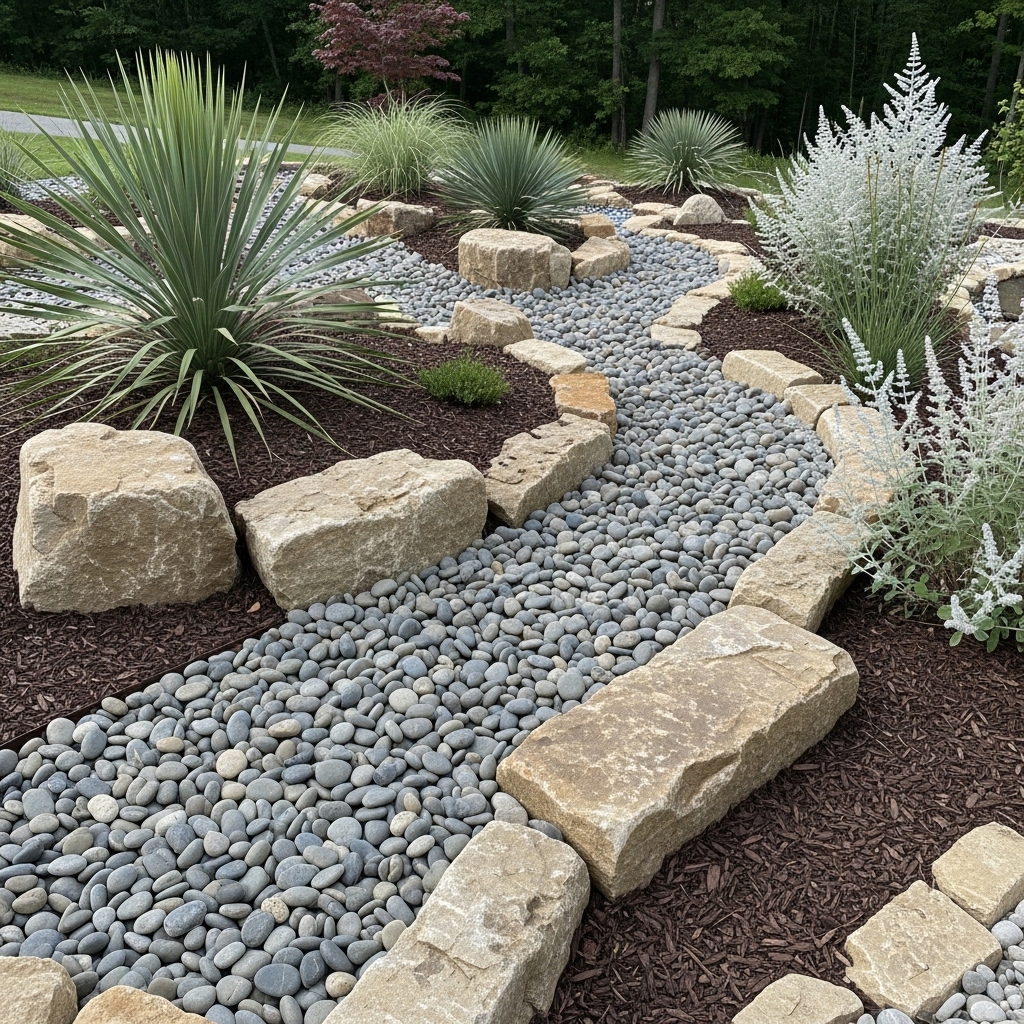
Rock gardens bring structure and calm through contrast. Large stones anchor the space, while smaller pebbles weave between them, creating depth and rhythm. Drought-tough plants such as yucca or Russian sage punctuate the layout with sculptural form and soft movement.
During the day, stones absorb warmth; after sunset, they release it slowly, balancing temperatures. With no need for irrigation, this landscape choice suppresses weeds, controls erosion, and thrives even on challenging slopes with minimal maintenance and enduring visual appeal year-round.
5. Ornamental Grasses
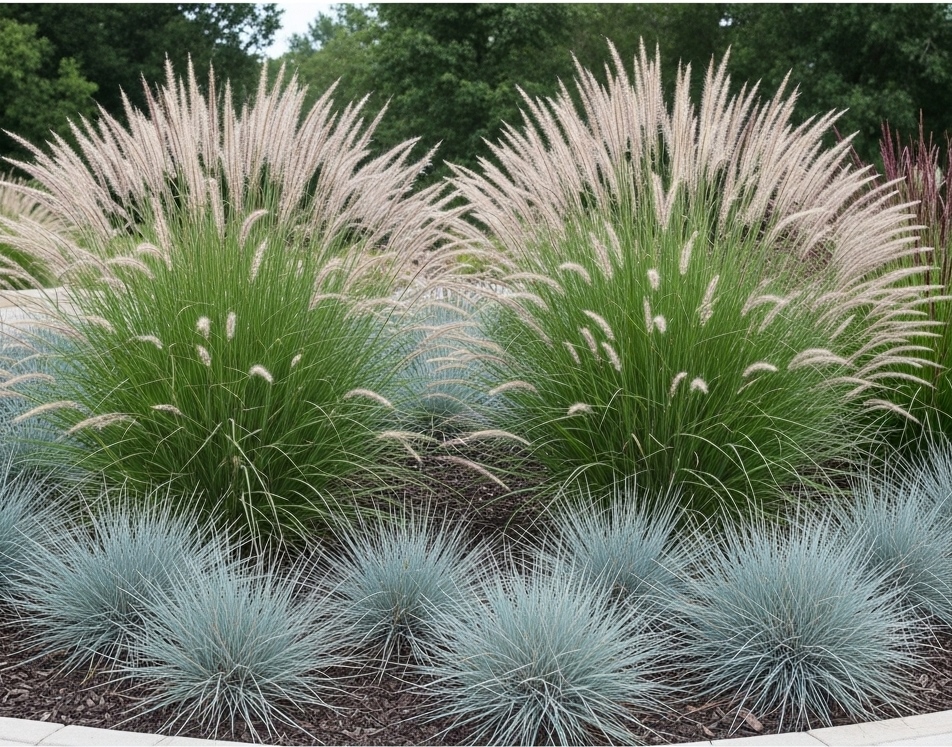
Ornamental grasses bring effortless drama to dry landscapes. Fountain grass arches and ripples, muhly erupts in airy plumes, while blue fescue forms cool, sculptural mounds. Their deep-rooted systems reach hidden moisture, reducing irrigation demands.
No constant mowing. No heavy feeding. Instead, they offer height, movement, and a soft, whispering texture that changes with light and wind. A single annual trim keeps clumps neat and resilient, delivering refined, wind-proof accents year after year, even during harsh seasons with minimal maintenance required..
6. Rain Gardens
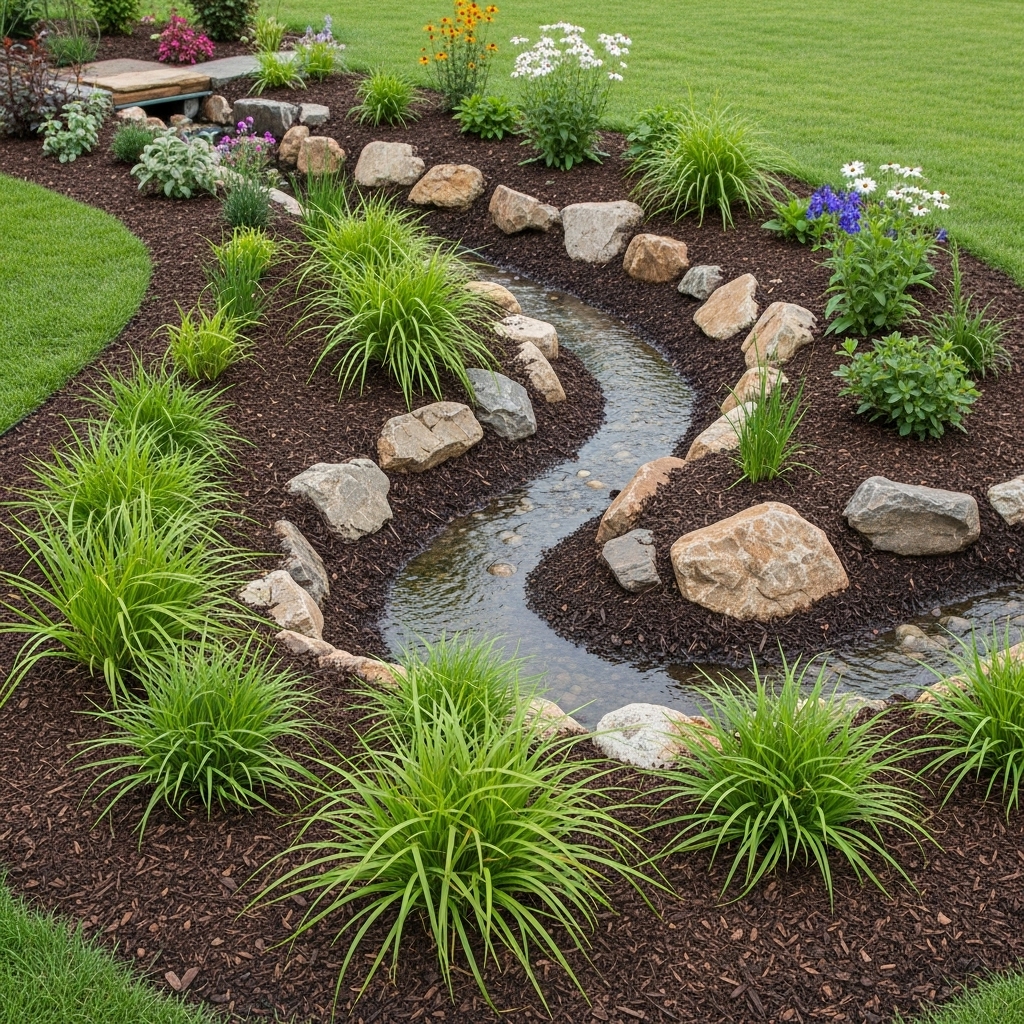
Rain gardens turn problem runoff into a quiet asset. Shape shallow, contoured basins where water naturally settles, guiding stormwater instead of fighting it.
Fill these low points with sedges, rushes, and native wildflowers built to survive both soaking rains and dry pauses. As water slows, roots trap sediment and filter pollutants before they spread.
Deep mulching seals in moisture, softens extremes, and helps soils recharge steadily after every heavy downpour. Over time, these systems grow stronger, smarter, and more resilient.
7. Hardscaping Elements
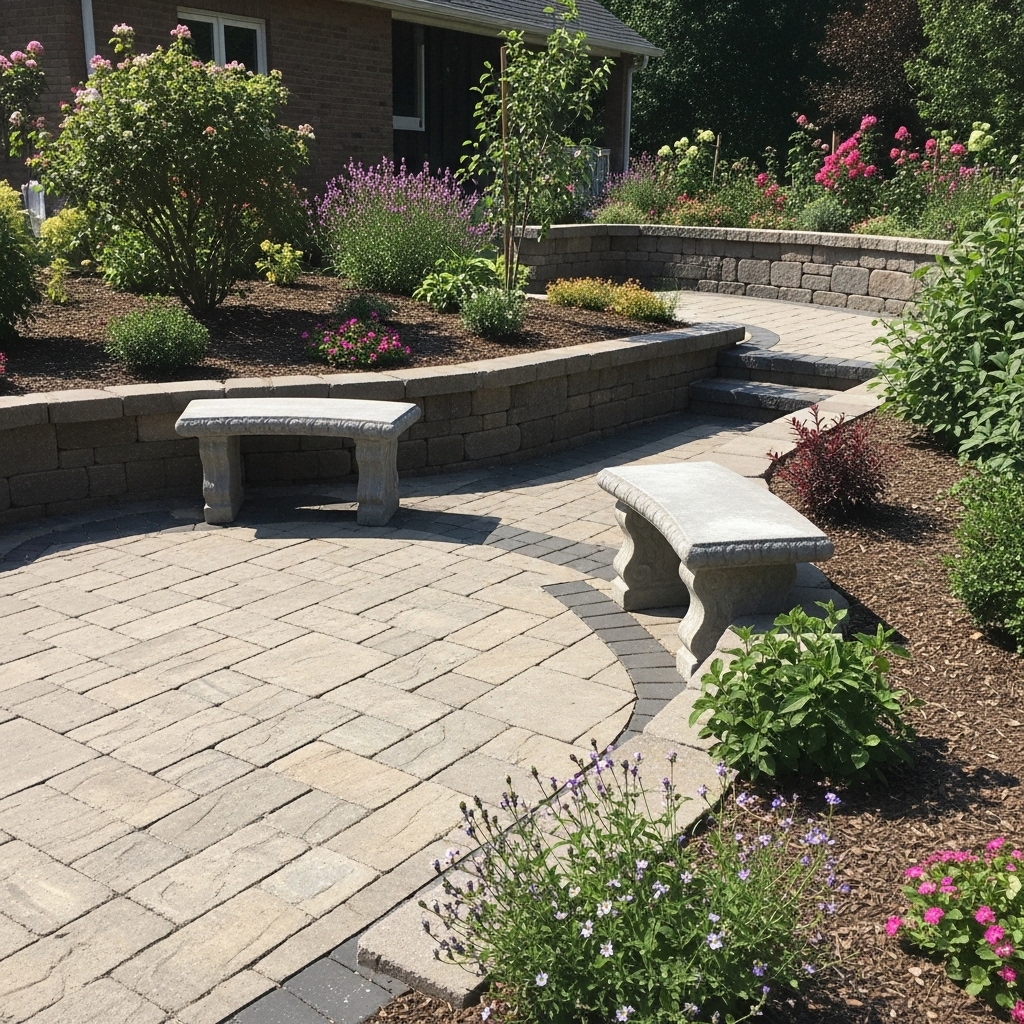
Hardscaping brings structure and relief to outdoor spaces. Patios, retaining walls, and wide stretches of gravel demand no irrigation, preserving water while opening room for plants that truly matter.
Stone benches tucked between pathways add comfort without clutter, quietly guiding foot traffic and managing drainage. Sun and weather only enhance these elements.
Over time, their surfaces soften, colors deepen, and the landscape gains character through materials designed to last, with subtle textures, natural balance, and lasting beauty built outdoors daily.
8. Drought-Resistant Trees
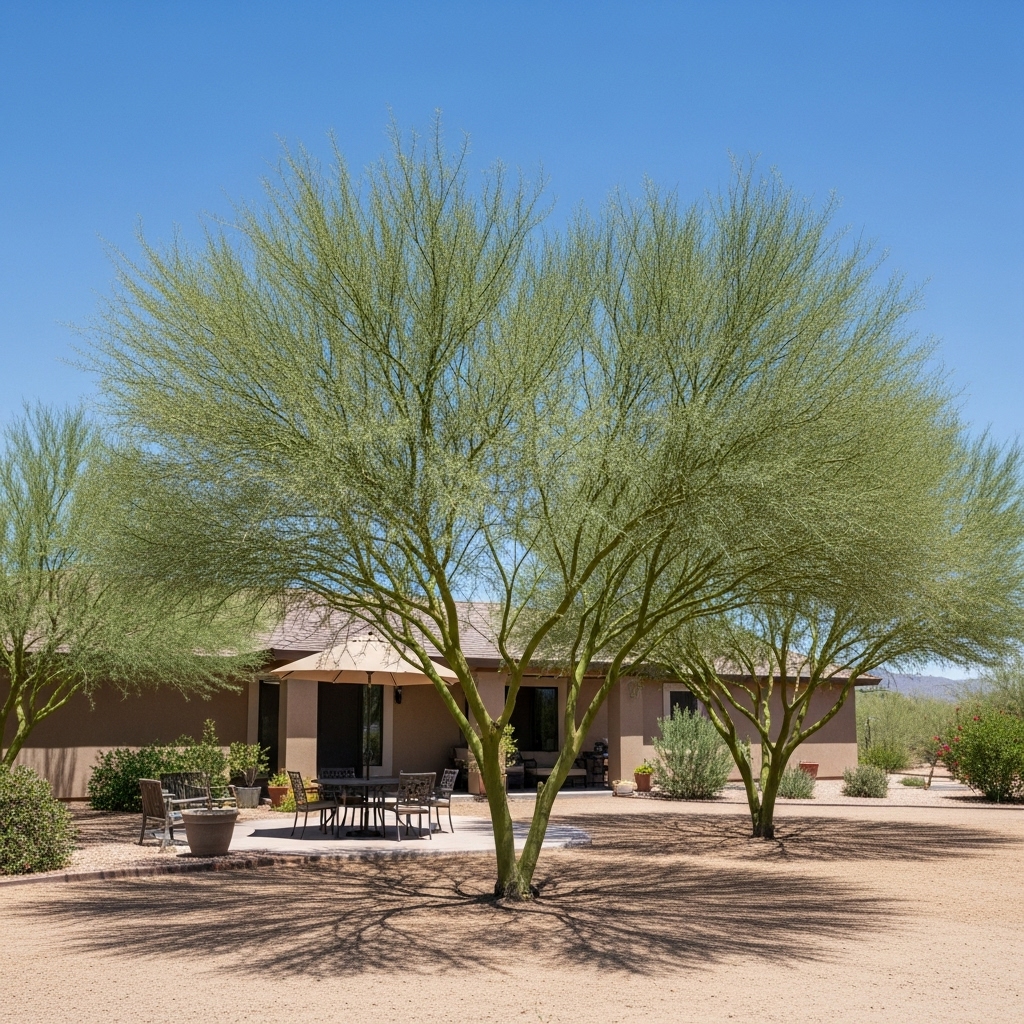
Drought-resistant trees such as palo verde, mesquite, and desert willow are smart choices for dry landscapes. They offer generous shade while using very little water. Their light, feathery canopies cool patios and outdoor seating areas without creating heavy debris.
Shallow, non-aggressive roots reduce competition for nearby plants. When planted with enough room to reach full size, these trees spread wide, perform better, and deliver maximum cooling and visual impact. They thrive in heat, survive drought, and support resilient, low-maintenance gardens.
9. Herb and Edible Borders
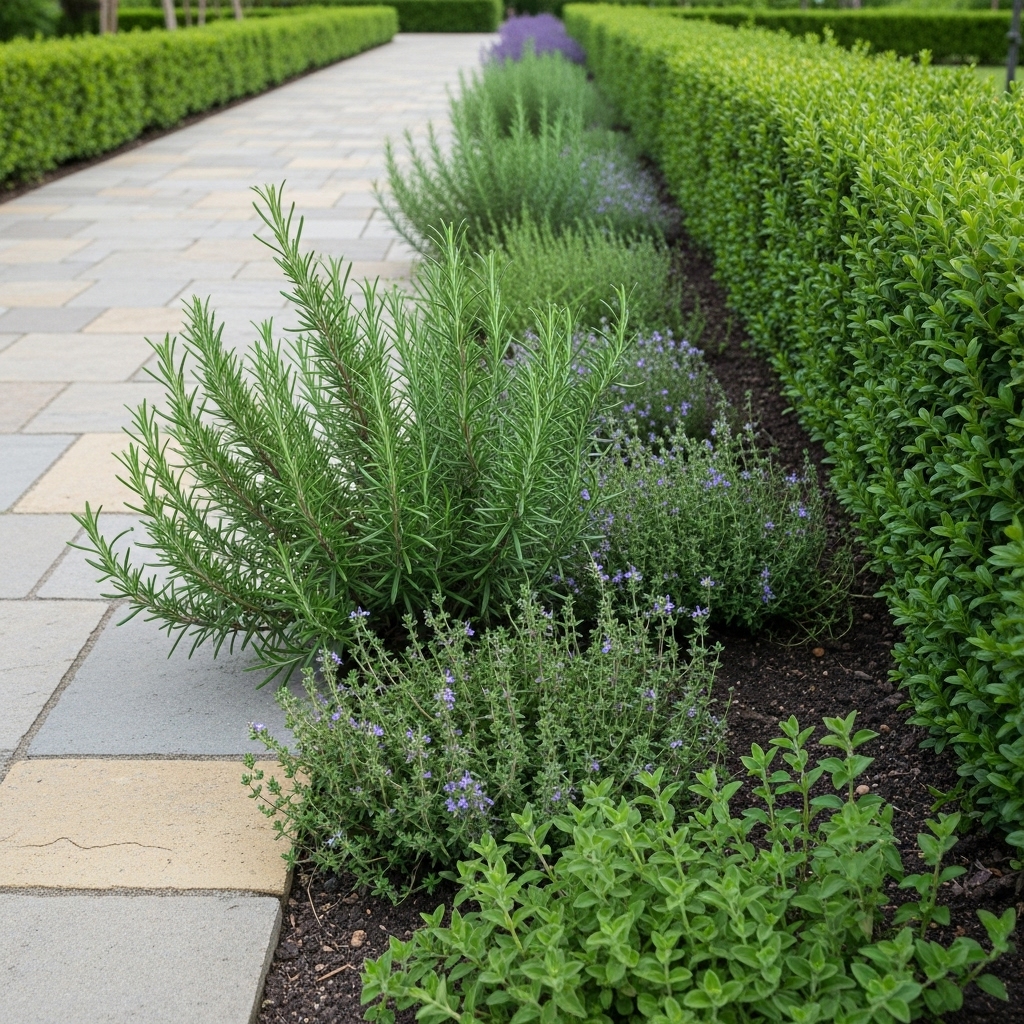
Herb and edible borders bring quiet magic to walkways. Rosemary spills over edges, woody and fragrant. Thyme creeps low, filling gaps with tiny leaves, while oregano toughs it out where other plants quit. These herbs love lean soil and a little neglect.
Clip them often. Harvesting sparks denser growth, especially in hot areas. Over time, the border thickens, forming a soft, living hedge that offers scent, flavor, and a subtle screen of privacy along busy garden paths year round interest.
10. Mulch Mastery
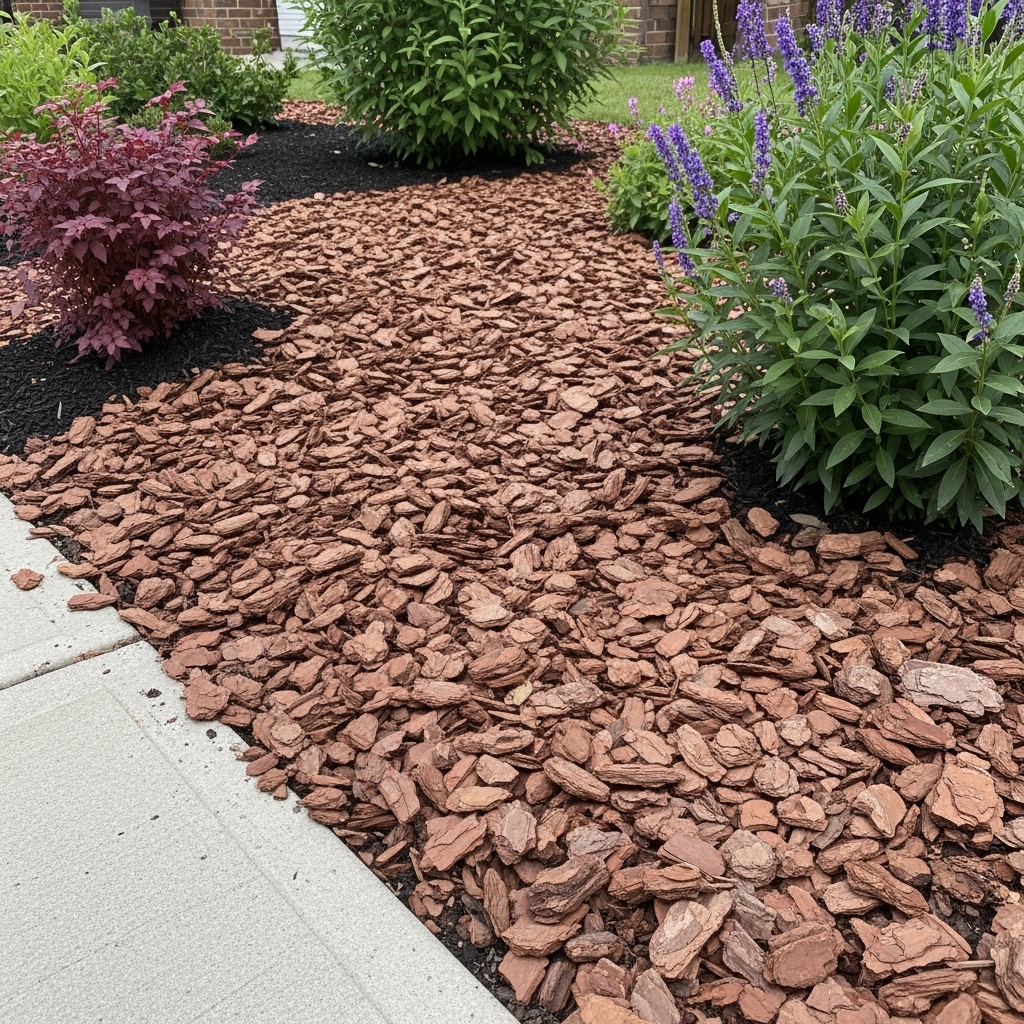
Mulching, when done right, changes everything. A three-inch blanket of organic material seals moisture into the soil, keeps aggressive weeds in check, and slowly feeds plants as it decomposes. Bark, compost, or even gravel can be refreshed each year to shift texture and style.
The payoff is immediate and long term. With this single habit, soil stays cooler, roots stay healthier, and evaporation can drop by nearly half. Gardeners notice stronger growth, fewer pests, and less watering stress overall daily.
11. Vertical Plantings
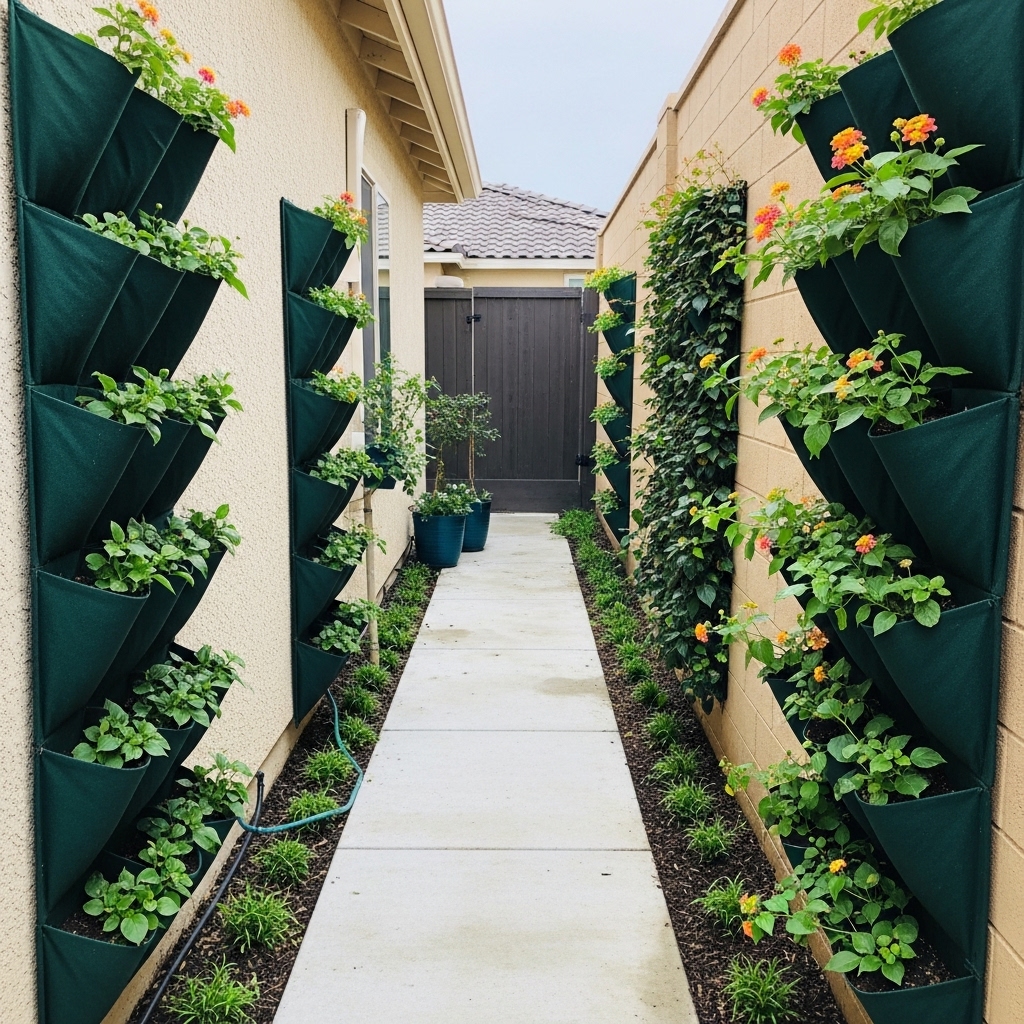
Vertical plantings transform cramped outdoor areas into living walls. Fabric wall pockets and slim trellises lift bougainvillea and lantana upward, freeing precious ground space.
Vines climb fast, spill gently, and blur hard lines. In narrow yards, their cascading growth softens fences, posts, and bare masonry.
Short on maintenance? Discreet drip irrigation delivers water directly to roots, reducing waste while keeping foliage lush, controlled, and thriving even in the smallest spaces. This approach maximizes greenery without crowding walkways or patios.
12. Dry Creek Beds
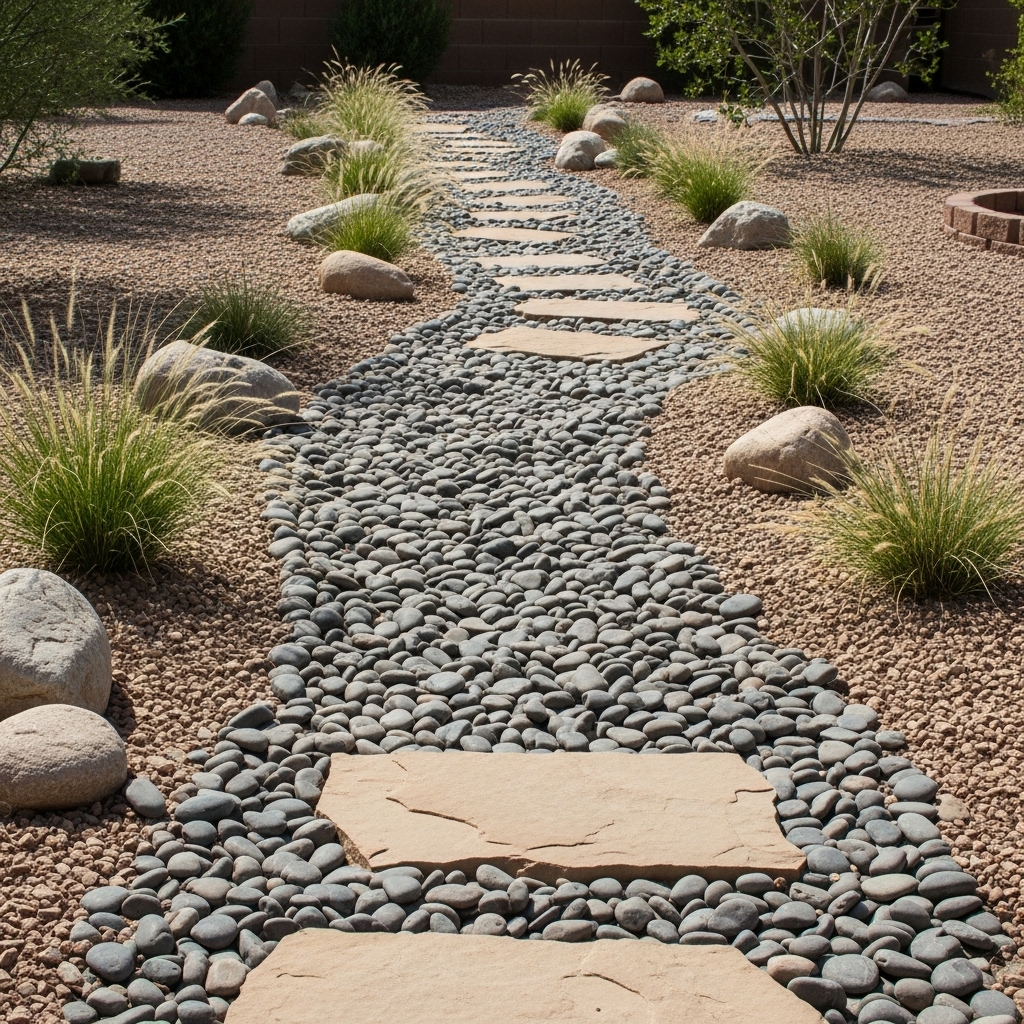
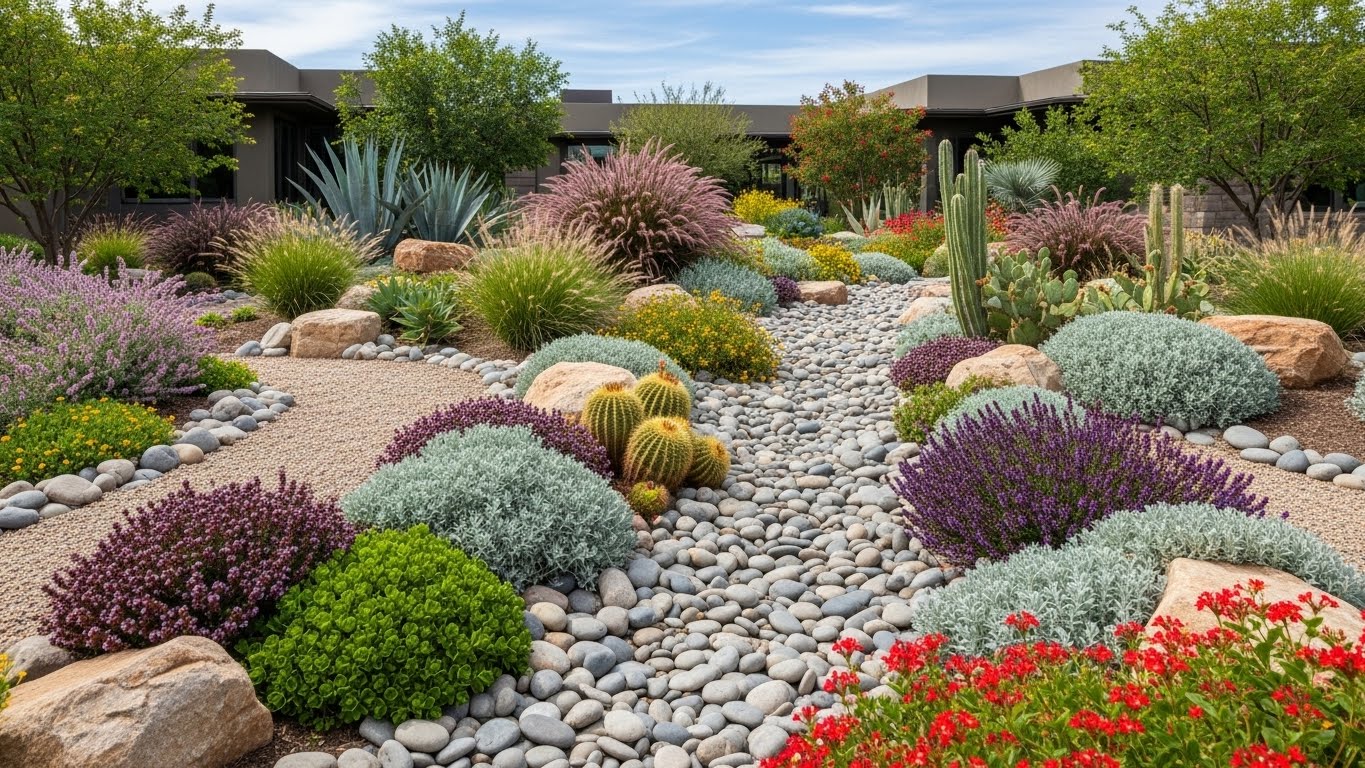
Dry creek beds turn occasional rainfall into a striking landscape feature rather than a problem. Shallow line trenches are filled with smooth river rock, guiding water naturally across the yard while reducing erosion and runoff. Sparse, drought-tolerant grasses soften the edges and add movement without demanding water.
During storms, the channel manages flow efficiently; during dry months, it looks intentional and sculptural. Flat stepping stones placed carefully across the bed allow easy access while reinforcing a rugged, desert-wash aesthetic overall.
Implementation Tips
Successful implementation starts with smart grouping. Place plants together based on similar water needs, then rely on drip irrigation for targeted delivery. Water early in the morning to reduce evaporation.
Prepare soil once by blending in compost, encouraging deep, resilient roots. After that, step back. Trial small sections first to understand your microclimate.
Stay alert for drought-loving pests, especially aphids that attack stressed growth tips. Consistent observation builds confidence while allowing nature to regulate balance over time without constant intervention.
Conclusion
These ideas build enduring beauty that stands up to heat, trimming expenses and maintenance while rewarding daily life. Thoughtful materials, smart layouts, and climate-aware choices work together, quietly lowering bills and stress.
The result isn’t flashy; it’s resilient, comfortable, and kind to the future. With fewer repairs, cooler interiors, and lasting finishes, homes age gracefully. Sustainability becomes practical, not preachy—delivering comfort today and confidence tomorrow, without sacrificing style or satisfaction. Built to last, it rewards patience, planning, and purpose everywhere.
Frequently Asked Questions
How long until plants establish?
Typically 1-2 years with initial deep watering.
Best soil amendments?
Sand or gravel for drainage; avoid clay-heavy mixes.
Cost compared to lawns?
Upfront higher, but savings recoup in 2-3 years via no mowing or sprinklers.