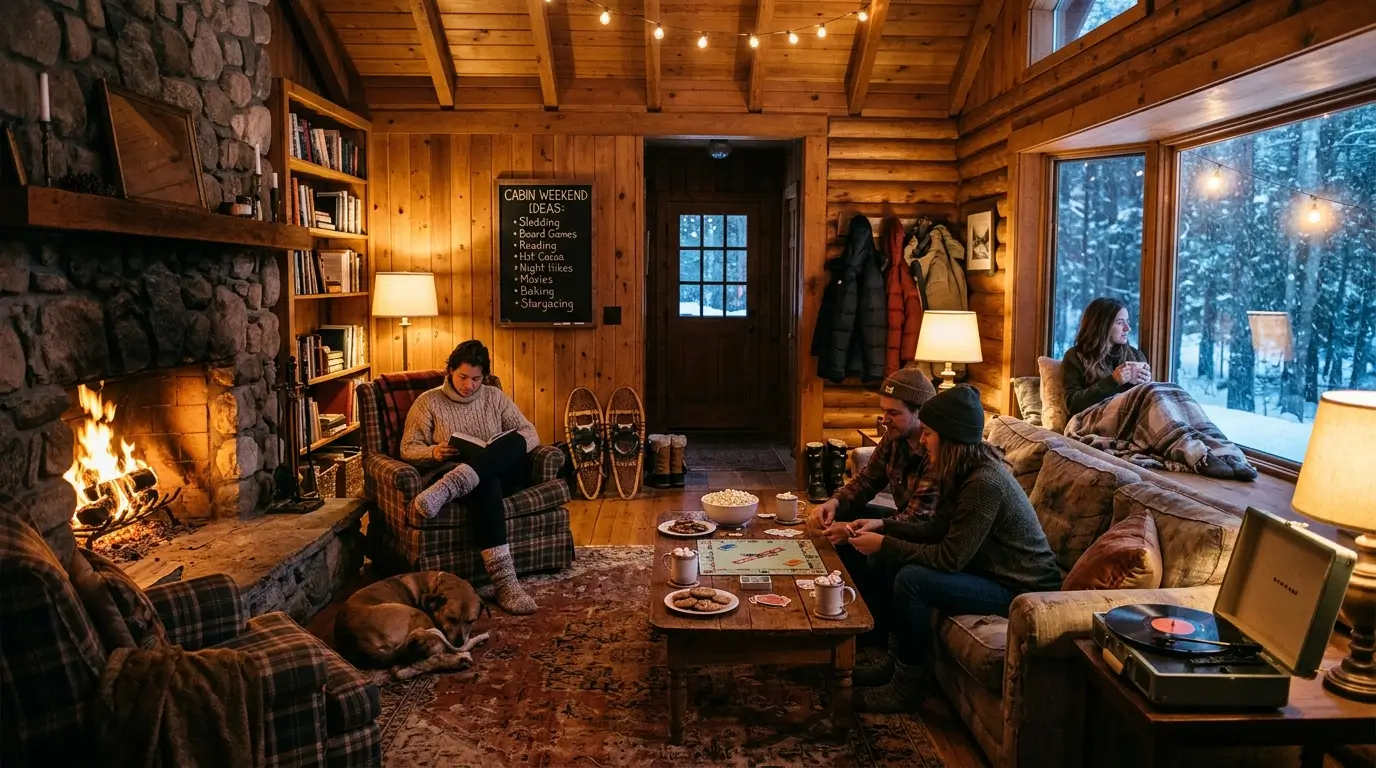
There is something special about spending a winter weekend in a quiet cabin. You wake up to frosty windows, make a warm breakfast without rushing, and spend the day enjoying simple pleasures that are easy to overlook during a busy week. Perhaps you take a walk through a snow-covered forest, settle down with a good book, or gather around the fireplace for a relaxed evening with family and friends.
A winter cabin getaway does not have to involve expensive activities or a packed schedule. In fact, some of the most enjoyable moments come from having enough time to cook together, play games, watch the stars, and enjoy the peaceful surroundings.
Whether you are planning a romantic weekend, a family trip, a getaway with friends, or a few quiet days on your own, these 10 cozy winter cabin weekend ideas will help you make the most of your stay. You will also find practical planning advice, packing suggestions, safety reminders, and a sample weekend itinerary to make organizing your escape easier.
Table of Contents
- Why Choose a Winter Cabin Weekend?
- 10 Cozy Winter Cabin Weekend Ideas
- Planning Your Trip: Budget, Packing, and Comfort
- A Simple Two-Night Winter Cabin Itinerary
- Practical Tips for Getting the Best Results
- Common Mistakes to Avoid
- Pros and Cons of a Winter Cabin Getaway
- Frequently Asked Questions
- Key Takeaways
- Conclusion
Why Choose a Winter Cabin Weekend?
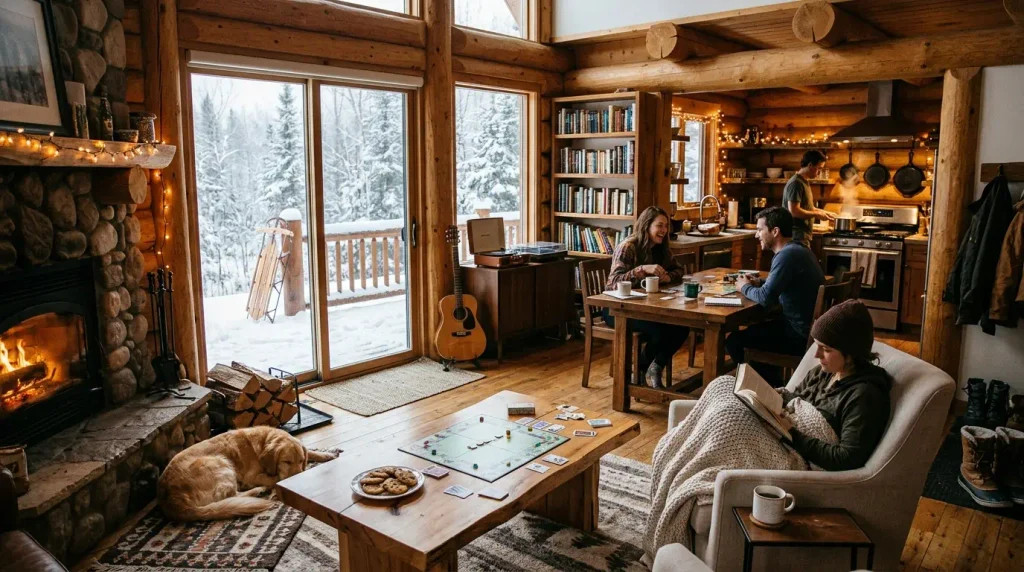
A winter cabin weekend gives you an opportunity to enjoy a different kind of holiday. Instead of spending every day moving between attractions, restaurants, and crowded shopping areas, you can slow down and appreciate your surroundings.
For some people, that means spending the morning watching snow fall outside the window. For others, it means exploring nearby trails, preparing a comforting dinner, or enjoying a long conversation beside a fireplace.
Cabin getaways can also suit different budgets. A simple rental with a functional kitchen may be enough for a relaxing weekend, while a larger property with a fireplace, hot tub, or mountain views can make the experience feel more luxurious. Winter prices vary considerably by destination, so compare the total cost rather than assuming every cabin is cheaper during the colder months.
Another advantage is flexibility. You can plan a few outdoor activities when the weather is pleasant and keep indoor alternatives ready in case temperatures drop or a snowstorm changes your plans.
The best winter cabin weekends usually have a little structure but plenty of free time. Choose a few activities everyone will enjoy, prepare easy meals, and leave room for those unexpected moments that make a getaway memorable.
1. Host a Gourmet Fireside Fondue Night
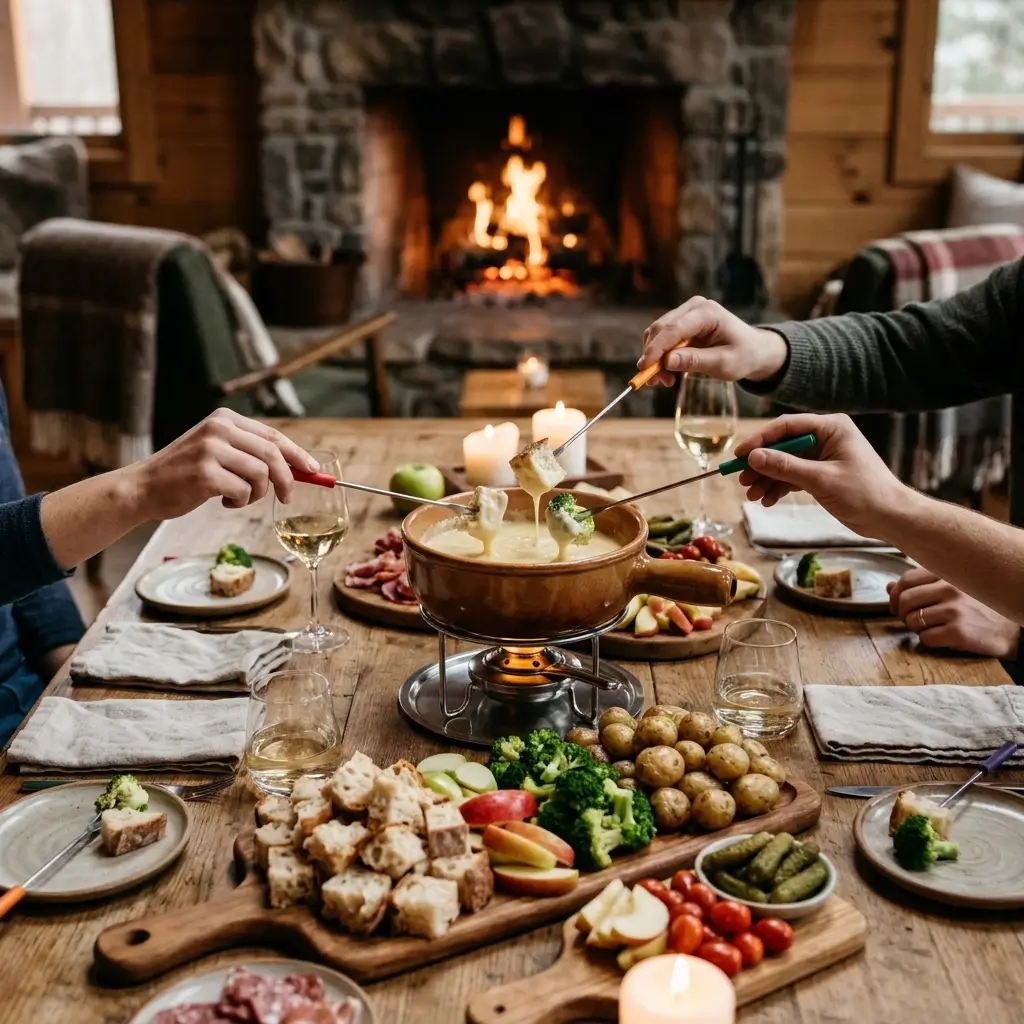
A fondue dinner is a lovely way to turn an ordinary evening into something everyone can enjoy. Rather than preparing separate meals and rushing to clear the table, you can arrange a selection of dipping foods and let everyone serve themselves.
For a traditional cheese fondue, combine suitable melting cheeses such as Gruyère and Emmental with garlic and a little white wine. If you prefer not to use wine, look for a suitable non-alcoholic recipe using broth or another recommended substitute. Serve the melted cheese with cubed sourdough bread, apple slices, steamed broccoli, roasted potatoes, and other vegetables.
The best part is that you can prepare most of the ingredients before dinner. Cut the bread, wash the vegetables, and arrange everything on serving boards so the evening feels relaxed rather than like another cooking project.
For a romantic weekend, add a simple salad and your favorite dessert. If children are joining the trip, offer extra dipping choices such as bread cubes, cooked vegetables, and apple pieces.
What you will need:
- A suitable electric or stovetop fondue pot.
- Melting cheese and your preferred seasonings.
- Bread, vegetables, fruit, and roasted potatoes.
- Fondue forks or suitable serving utensils.
Helpful tip: Keep the fondue pot on a stable, heat-resistant surface away from children and the edge of the table. Follow the manufacturer’s instructions and never leave a heating appliance unattended.
Best for: Couples, families, and small groups who enjoy preparing and sharing food.
Shop electric fondue pots on Amazon.
2. Take a Guided Twilight Snowshoe Walk
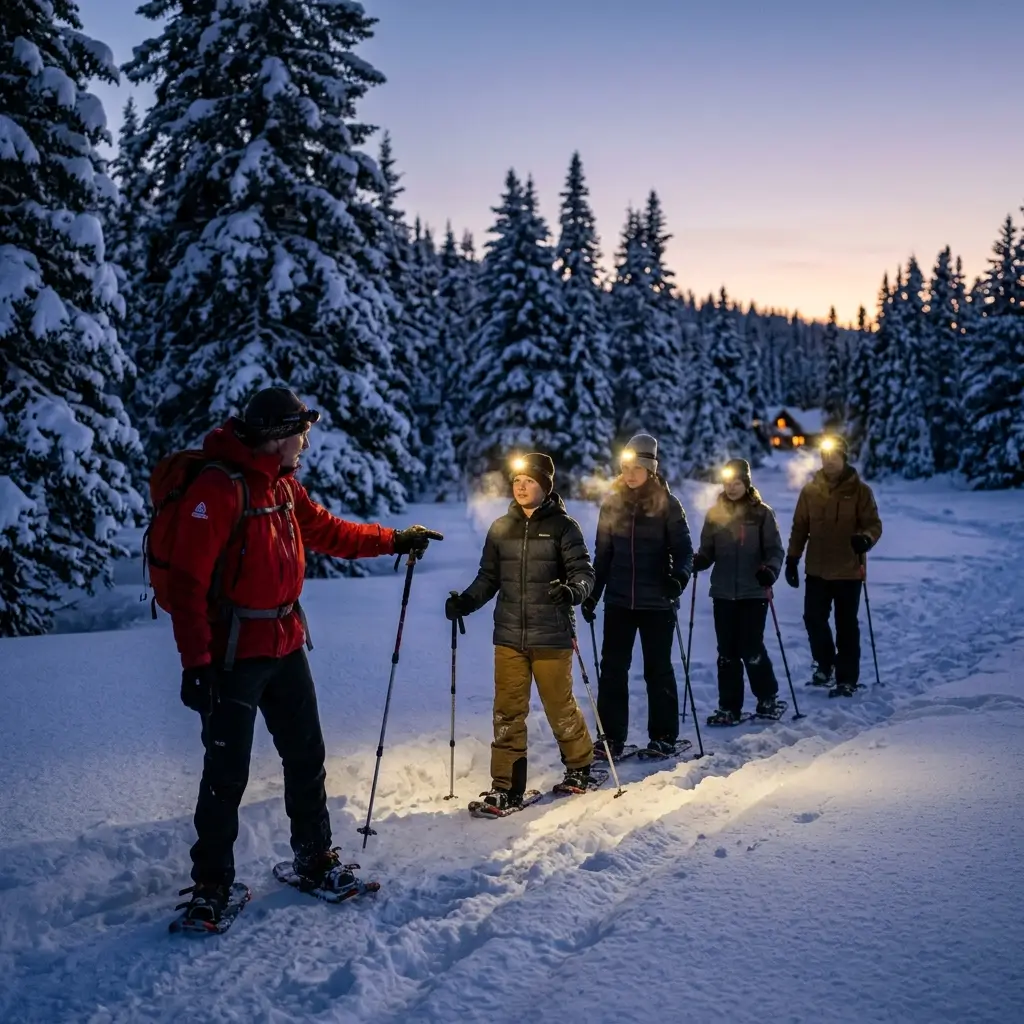
If your cabin is near a snowy trail, a snowshoe walk can be one of the most refreshing ways to spend an afternoon. Snowshoeing helps distribute your weight across a wider surface, making it easier to walk over suitable snow without sinking as deeply as you might in ordinary boots.
You do not need to be an experienced skier to try it. Beginners can start with a short, relatively flat route and learn the basics before attempting steeper terrain. If you have never used snowshoes, a guided outing is a sensible choice because an experienced guide can help with equipment, route selection, and changing weather conditions.
For a comfortable walk, wear moisture-wicking base layers, an insulating middle layer, waterproof outer clothing, and suitable winter boots. Bring gloves, a hat, water, and a small snack. Dressing in layers helps you adjust as your body warms up during the walk.
A twilight outing can be especially beautiful, but it also means reduced visibility. Choose a route you can complete safely before darkness, check sunset times, and carry a headlamp or flashlight.
If there is no suitable snow, substitute a short woodland walk or a guided nature trail.
What you will need:
- Snowshoes suited to your weight and the snow conditions.
- Waterproof winter boots.
- Warm layers and gloves.
- Water, snacks, and a flashlight or headlamp.
Helpful tip: Check local trail conditions before leaving. Avoid unfamiliar backcountry routes without appropriate equipment, navigation, and winter experience.
Best for: Active couples, families with older children, and travelers who enjoy outdoor adventures.
Shop beginner-friendly snowshoes on Amazon.
3. Organize a Board Game and Puzzle Weekend
Not every cabin activity needs to happen outdoors. A board game and puzzle marathon can turn a cold or snowy afternoon into hours of entertainment without requiring much preparation.
Pack a few games that suit the people coming along. Families with younger children might enjoy simple matching games, while older children and adults may prefer strategy games, word challenges, or classic card games.
A large jigsaw puzzle is another good choice. Set it up on a table where everyone can work on it whenever they have a spare moment. There is no need to finish it in one sitting; part of the fun is returning to it throughout the weekend.
You can make the atmosphere even more inviting by preparing hot drinks, putting out snacks, and choosing a comfortable place near the fireplace. If you are traveling as a couple, try cooperative games or a puzzle that you can complete together.
What you will need:
- Two or three board games suitable for your group.
- A deck of playing cards.
- A jigsaw puzzle.
- A small basket for game pieces and accessories.
- Snacks and warm drinks.
Helpful tip: Choose games that are easy to learn. A cabin weekend should feel relaxing, so avoid bringing so many complicated games that everyone spends the evening reading instructions.
Best for: Families, couples, groups of friends, and anyone who wants a screen-free afternoon.
Shop board games and jigsaw puzzles on Amazon.
4. Set Up a DIY Hot Chocolate and Mulled Cider Bar
A hot chocolate station is a simple way to make a cabin feel welcoming, especially when everyone returns from spending time outdoors.
Choose a convenient spot in the kitchen and arrange ceramic mugs, hot chocolate ingredients, and toppings in small containers. Mini marshmallows, chocolate shavings, cinnamon, crushed peppermint, and whipped cream are all easy additions. You can also provide warm milk or a dairy-free alternative so everyone can prepare a drink they enjoy.
For something different, prepare a pot of spiced apple cider. Warm apple cider with cinnamon sticks, cloves, and orange slices creates a comforting drink that can be served throughout the evening.
If you are traveling with children, let them choose their toppings and decorate their own mugs. It becomes a small activity rather than simply another drink break.
You do not need expensive equipment. A saucepan and insulated jug may be enough, although a slow cooker can be convenient when you want to keep cider warm for several hours.
What you will need:
- Ceramic or insulated mugs.
- Hot chocolate mix or cocoa ingredients.
- Marshmallows and chocolate toppings.
- Apple cider and optional spices.
- A slow cooker or saucepan.
Helpful tip: Keep hot drinks and heating equipment away from young children. Use insulated containers carefully and avoid leaving a slow cooker unattended.
Best for: Families, couples, and groups who enjoy simple food and drink activities.
Shop ceramic campfire mugs on Amazon.
5. Enjoy Stargazing from the Deck or Outdoor Hot Tub
A clear winter evening can provide a wonderful opportunity to look at the night sky. Away from bright streetlights and busy towns, you may be able to see stars and familiar constellations more clearly.
Start by checking the weather and choosing a spot with a reasonably open view. If the sky is clear, take a warm blanket outside, bring a flashlight, and look for recognizable patterns such as Orion. A stargazing app can help you identify constellations and planets, but download it before traveling if mobile reception may be unreliable.
If your cabin has an outdoor hot tub, you could enjoy a short soak while looking at the sky. However, follow the property’s hot-tub instructions, check the water temperature, and avoid staying in hot water for too long. Anyone with health concerns should follow appropriate medical advice about hot-tub use.
If it is too cold to sit outside, you can enjoy the same activity from a warm room near a large window.
What you will need:
- Warm clothing, blankets, and suitable outdoor footwear.
- A flashlight or headlamp.
- Binoculars or a stargazing app.
- Insulated mugs for warm drinks.
Helpful tip: Cold weather does not guarantee clear skies. Check the forecast, moon phase, and local light pollution before choosing your stargazing evening.
Best for: Couples, photography enthusiasts, families with older children, and travelers who enjoy quiet outdoor experiences.
Shop warm fleece blankets and outdoor robes on Amazon.
6. Spend a Quiet Afternoon with an Audiobook by the Fireplace
One of the best things about a cabin weekend is having permission to do very little. You do not need to fill every hour with sightseeing or outdoor adventures. Sometimes, a comfortable chair, a good story, and a warm blanket are enough.
Choose an audiobook before leaving home and download it for offline listening. This is especially helpful if your cabin is in a rural area with unreliable internet access.
You can listen through a small speaker at a comfortable volume or use headphones if you want a more private experience. Noise-canceling headphones, such as Bose QuietComfort models, may be useful if you want to reduce background distractions, although ordinary comfortable headphones work just as well for many listeners.
If you are traveling with someone else, consider choosing an audiobook together. You can listen for an hour, pause for a conversation, and continue later.
This is also a good activity for solo travelers. Put your phone aside, prepare a warm drink, and enjoy a little uninterrupted time.
What you will need:
- An audiobook downloaded for offline use.
- Comfortable headphones or a small speaker.
- A warm blanket and supportive chair.
- A hot drink and a quiet corner.
Helpful tip: Keep headphones at a comfortable listening level and take breaks. If you are using a fireplace, maintain proper ventilation and follow the cabin’s fire-safety instructions.
Best for: Solo travelers, couples, readers, and anyone looking for a quiet afternoon.
Shop Bose QuietComfort headphones on Amazon.
7. Bake Cinnamon Rolls in a Cast-Iron Skillet
A slow cabin morning feels even better when the kitchen smells like freshly baked cinnamon rolls. Baking together is a simple activity that works particularly well when the weather is too unpleasant for an outdoor adventure.
You can prepare dough from scratch if you enjoy baking, but refrigerated or prepared dough is a convenient alternative when you want less cleanup. Arrange the rolls in a suitable baking dish or pre-seasoned cast-iron skillet, then follow the recipe’s recommended temperature and baking time.
Once they are ready, allow the skillet to rest on a heat-resistant trivet before serving. A little icing, fresh fruit, and a pot of coffee or tea can turn an ordinary breakfast into a memorable cabin brunch.
Children can help measure ingredients, arrange toppings, or prepare the serving table. Just keep them away from hot pans, the oven, and other heated surfaces.
What you will need:
- Cinnamon roll dough or your favorite recipe ingredients.
- A cast-iron skillet or suitable baking dish.
- Butter, cinnamon, sugar, and icing.
- Coffee, tea, or hot chocolate.
Helpful tip: Check that your rental has an oven and suitable baking equipment before planning the recipe. Some small cabins have limited kitchen facilities.
Best for: Families, couples, and anyone who enjoys a relaxed weekend breakfast.
Shop pre-seasoned cast-iron skillets on Amazon.
8. Go Morning Wildlife Tracking in Fresh Snow
Fresh snowfall can reveal signs of wildlife that are difficult to notice during other seasons. Animal tracks may appear across open areas, near trees, and along the edges of wooded paths.
Take a quiet morning walk and look for different patterns in the snow. Deer tracks, rabbit prints, and smaller bird footprints can make the outing feel like a nature detective activity, particularly for curious children.
You do not need to be a wildlife expert. Bring a small field guide or use an offline identification resource to help recognize common tracks in your destination. Binoculars can also be useful for observing birds and animals from a respectful distance.
Remember that tracks are not always easy to identify. Snow conditions, melting, and overlapping prints can change their appearance. Enjoy the process of looking rather than trying to identify every mark.
Stay on permitted paths and avoid approaching or feeding wild animals. If you spot wildlife, observe quietly and give it plenty of space.
What you will need:
- Waterproof winter boots.
- Warm gloves, hat, and insulated clothing.
- Binoculars.
- A small wildlife or animal-track guide.
- A camera or smartphone for photographs.
Helpful tip: Start after sunrise when there is enough natural light to see the tracks clearly. Check local wildlife guidance and avoid walking into unfamiliar or restricted areas.
Best for: Nature lovers, families, photographers, and travelers who enjoy quiet morning activities.
Shop compact binoculars on Amazon.
9. Create a Cozy Acoustic or Vinyl Listening Session
Music can change the atmosphere of a cabin almost immediately. A gentle acoustic playlist during breakfast, soft jazz while preparing dinner, or relaxing instrumental music in the evening can make ordinary moments feel more special.
If your rental has a record player, bring a few favorite records that are easy to transport. Otherwise, a portable Bluetooth speaker is a practical alternative.
Before leaving home, download a playlist for offline listening. This avoids interruptions if the cabin has weak Wi-Fi or limited mobile reception.
You can also let everyone contribute a few songs to a shared playlist. That gives the weekend a personal touch and makes the music feel connected to the people on the trip.
Keep the volume at a considerate level, especially if you are staying in a shared property or a cabin close to other homes.
What you will need:
- A portable Bluetooth speaker or record player.
- A downloaded playlist.
- Charging cables or spare batteries.
- A small selection of favorite records, if appropriate.
Helpful tip: Check whether the cabin already has a speaker system before packing extra equipment. A simple portable speaker is usually enough for a small room.
Best for: Couples, groups of friends, and music lovers who enjoy a relaxed indoor atmosphere.
Shop portable Bluetooth speakers on Amazon.
10. Organize an Outdoor Fire Pit S’mores and Storytelling Evening
An outdoor fire pit can make a winter evening feel like a special occasion. Gather everyone outside, prepare a few simple snacks, and spend some time sharing stories while enjoying the warmth of the fire.
Classic s’mores are easy to prepare with graham crackers, chocolate, and toasted marshmallows. You can also offer alternatives such as dark chocolate, peanut butter cups, or different biscuits so everyone can create a combination they enjoy.
Bring suitable outdoor chairs, warm jackets, gloves, and blankets. If children are participating, provide close adult supervision and keep them at a safe distance from the flames.
Before lighting anything, confirm that the cabin allows outdoor fires. Check local fire restrictions and weather conditions, especially if the area is experiencing strong winds or dry conditions. Use only the designated fire pit, keep water or an appropriate fire extinguisher nearby, and fully extinguish the fire before leaving.
If the weather is too harsh, move the storytelling indoors and prepare a tray of s’mores-style treats using a safe kitchen method.
What you will need:
- A permitted outdoor fire pit.
- Marshmallows, chocolate, and biscuits.
- Suitable roasting sticks.
- Outdoor chairs and warm blankets.
- Water or an appropriate fire extinguisher.
Helpful tip: Never leave a fire unattended, and do not bring outdoor fire pits or charcoal-burning equipment inside the cabin.
Best for: Families, groups of friends, and couples who enjoy outdoor evenings.
Shop marshmallow roasting sticks on Amazon.
Planning Your Trip: Budget, Packing, and Comfort
A comfortable winter cabin weekend starts before you arrive. A little planning can prevent unnecessary shopping trips, forgotten essentials, and last-minute problems when you are miles away from the nearest store.
Set a Realistic Weekend Budget
The cabin rental is only one part of the total cost. Include transportation, groceries, firewood if it is not supplied, activity fees, equipment rentals, and any additional cleaning or service charges.
If you are traveling with friends or family, decide how expenses will be shared before booking. You can split groceries, plan shared meals, or assign different people responsibility for breakfast, dinner, and snacks.
A modest cabin can still feel special when you bring a few personal comforts from home. Your favorite coffee, warm blankets, board games, and simple decorations may be enough to create the atmosphere you want.
Pack Clothing in Layers
Winter temperatures can change throughout the day, particularly when you move between a warm cabin and the outdoors.
A practical clothing system includes:
- Base layer: Moisture-wicking thermal tops and bottoms.
- Middle layer: Fleece, wool, or another insulating sweater.
- Outer layer: A suitable insulated and weather-resistant jacket.
- Footwear: Waterproof winter boots with good traction.
- Accessories: Warm gloves, a hat, scarf, and thick socks.
- Indoor comfort: Non-slip slippers, comfortable trousers, and warm sleepwear.
Bring spare socks and gloves. If one pair becomes wet during an outdoor activity, having a dry replacement makes a considerable difference.
Pack for the Cabin’s Kitchen
Do not assume every vacation rental has everything you need. Check the listing or ask the host whether the kitchen includes basic cooking equipment, utensils, coffee-making supplies, and food storage.
Depending on what is provided, you may want to bring:
- Salt, pepper, and favorite seasonings.
- Cooking oil.
- Coffee, tea, and hot chocolate.
- Foil or baking paper.
- Reusable food containers.
- Easy breakfast ingredients.
- Snacks and non-perishable foods.
Plan a few meals that use overlapping ingredients. For example, bread, cheese, vegetables, and fruit can work for breakfast, lunch, and a fondue evening.
Bring Entertainment for Different Weather Conditions
Winter weather can change quickly. Even if you plan to spend much of the weekend outside, prepare indoor activities as well.
Pack a combination of:
- Board games and playing cards.
- Books and downloaded audiobooks.
- A jigsaw puzzle.
- Offline music and movies.
- Art supplies for children.
- A camera or binoculars for nature activities.
Having alternatives prevents disappointment if snowshoeing, hiking, or stargazing becomes impossible.
Confirm the Cabin’s Heating and Safety Features
Before booking, check how the cabin is heated and whether the property has working smoke alarms and carbon monoxide alarms where appropriate.
If the cabin has a wood-burning stove or fireplace, ask whether you are expected to use it and whether instructions are provided. Confirm whether firewood is supplied, whether the chimney is maintained, and whether there are restrictions on using the fireplace.
Also ask about power outages, water supply, driveway access, and emergency contact arrangements. These details are particularly important for remote properties during winter storms.
A Simple Two-Night Winter Cabin Itinerary
If you are unsure how to organize the weekend, this sample plan gives you a starting point. Adjust it to suit your arrival time, weather, and the people traveling with you.
| Time | Friday | Saturday | Sunday |
|---|---|---|---|
| Morning | Travel and check-in preparation | Slow breakfast and wildlife walk | Breakfast and packing |
| Afternoon | Arrive, unpack, and explore the cabin | Snowshoeing or a scenic walk | Short local walk or coffee stop |
| Evening | Easy dinner and board games | Fondue dinner and storytelling | Light meal and journey home |
Friday evening: Keep the first night simple. Unpack, check the heating, prepare an easy meal, and settle in. There is no need to organize a complicated activity after a long drive.
Saturday morning: Enjoy breakfast before heading outside. Choose a suitable walk, snowshoe outing, or wildlife-tracking activity. If the weather is poor, stay indoors and enjoy a puzzle or audiobook.
Saturday afternoon: Return to the cabin, warm up, and take a break. Prepare hot chocolate, play games, or bake something for the evening.
Saturday evening: Make fondue or another shared dinner, then enjoy a fire pit if local rules and weather allow. Stargazing is another option if the sky is clear.
Sunday morning: Have a relaxed breakfast, tidy the cabin according to the rental instructions, and leave enough time for the return journey.
The aim is not to follow every activity on the list. Two or three enjoyable experiences are usually enough for a satisfying weekend.
Practical Tips for Getting the Best Results
Download Maps and Entertainment Before Leaving
Some cabins are located in valleys, wooded areas, or mountain regions where mobile reception is unreliable.
Download navigation maps, trail information, music, and audiobooks before leaving home. Save the cabin’s address, check-in instructions, and the host’s contact details somewhere you can access without an internet connection.
Shop for Groceries Before Reaching Remote Areas
Small towns may have limited shopping hours or fewer food choices than larger supermarkets. Buy the main ingredients for your planned meals before entering a remote area.
It is also sensible to pack a few extra non-perishable snacks in case the weather delays your return.
Check Road and Weather Conditions
Winter roads can become slippery even when snowfall is light. Check the local weather forecast and road advisories before departure, and make sure your vehicle is appropriate for the conditions.
Depending on the destination, you may need winter tires, approved tire chains, or other traction equipment. Carry a charged phone, flashlight, ice scraper, and emergency supplies.
If officials advise against travel, postpone the journey rather than taking unnecessary risks.
Ask About Firewood Before Arrival
Some cabin rentals provide firewood, while others require guests to purchase it separately.
Ask the host what is available and whether the fireplace or wood stove is suitable for guest use. Only burn approved, properly seasoned firewood and follow the property’s instructions.
Keep the Indoor Space Comfortable
Cabins can have uneven temperatures, particularly if they have loft bedrooms, stone floors, or large windows.
Bring warm slippers, extra socks, and comfortable layers. Ask the host how the heating system works so you do not have to figure it out after arriving late at night.
Prepare for a Power Outage
Remote areas can experience temporary power interruptions during severe weather.
Pack a flashlight, spare batteries, a power bank, drinking water, and some non-perishable food. Find out whether the cabin has an alternative heating arrangement and what the host recommends if electricity fails.
Never use a generator, charcoal grill, or outdoor camping stove inside the cabin. These devices can produce dangerous carbon monoxide.
Common Mistakes to Avoid
Trying to Fit Too Many Activities Into One Weekend
A cabin trip should not feel like a race from one attraction to another. Planning ten activities does not mean you need to complete all ten.
Choose a few favorites and leave enough time for meals, rest, and spontaneous moments.
Forgetting Indoor Footwear
Cabin floors can feel cold, especially in properties with wooden or stone flooring. Bring warm slippers or grip socks so you can move comfortably around the kitchen and living areas.
For extra safety, choose footwear with non-slip soles.
Assuming the Cabin Has Everything
A rental may have a kitchen without a fondue pot, a fireplace without supplied firewood, or a television without streaming access.
Read the property description carefully and ask the host about anything important. A quick message before departure can prevent unnecessary inconvenience.
Arriving Late After Dark
Unfamiliar rural roads, icy driveways, and poorly lit entrances can make nighttime arrival stressful.
When possible, plan to arrive during daylight. This gives you time to find the entrance, inspect the parking area, locate the heating controls, and unpack safely.
Ignoring Fireplace and Carbon Monoxide Safety
A fireplace can make a cabin feel wonderfully warm, but it must be used correctly.
Never block ventilation openings, burn unsuitable materials, or use outdoor cooking equipment indoors. Check that smoke and carbon monoxide alarms are working, and follow the host’s instructions for operating the fireplace or wood stove.
If a carbon monoxide alarm sounds, leave the building immediately and contact emergency services from outside.
Forgetting a Backup Plan for Bad Weather
A planned outdoor activity may become impossible because of heavy snowfall, rain, strong winds, or unsafe trail conditions.
Bring enough indoor entertainment and food so that a change in the forecast does not spoil the weekend.
Pros and Cons
| Pros | Cons |
|---|---|
| Peaceful surroundings and opportunities to enjoy nature | Winter roads and icy paths may require extra preparation |
| A comfortable setting for relaxing and spending time together | Shorter daylight hours can limit outdoor activities |
| Opportunities for seasonal activities such as snowshoeing and wildlife tracking | Some outdoor attractions may close during bad weather |
| Cooking together can make the trip more affordable | Remote cabins may have limited shops and restaurants nearby |
| A chance to take a break from everyday screens and routines | Heating, firewood, and winter equipment can add to the cost |
| Indoor and outdoor activities suit different interests | Power and mobile reception may be unreliable in remote areas |
A winter cabin getaway is particularly enjoyable when you choose accommodation that matches your expectations. If you want complete convenience, look for a property with reliable heating, a well-equipped kitchen, and easy road access. If you prefer a more secluded experience, make sure you are prepared for the extra planning that comes with a remote location.
Frequently Asked Questions
1. What Should I Pack for a Three-Day Winter Cabin Weekend?
Start with thermal base layers, warm sweaters, an insulated jacket, waterproof winter boots, gloves, a hat, and thick socks. Bring comfortable indoor clothing and non-slip slippers for relaxing inside.
You should also pack toiletries, medication, a flashlight, a power bank, offline entertainment, and food for the meals you plan to prepare. Check the cabin’s amenities before packing kitchen supplies or extra bedding.
2. How Do I Make a Rental Cabin Feel Cozier?
Small personal touches can make a rental feel more welcoming. Bring a favorite blanket, comfortable slippers, specialty coffee or tea, and a few board games.
You can also create a hot chocolate station, prepare a playlist, or use battery-operated candles where permitted. Avoid open flames or decorations that violate the rental’s safety rules.
3. What Are the Best Easy Meals to Cook at a Winter Cabin?
Meals that use simple ingredients and require little cleanup are ideal. Chili, vegetable soup, pasta, skillet breakfasts, roasted vegetables, sandwiches, and cheese fondue are all practical options.
Prepare a rough meal plan before leaving home and buy ingredients that can be used in more than one dish. This helps reduce food waste and avoids unnecessary shopping trips.
4. Are Winter Cabin Trips Good for People Who Do Not Ski?
Absolutely. You do not need to ski to enjoy a winter cabin getaway.
Snowshoeing, wildlife tracking, scenic drives, board games, baking, stargazing, reading, and visiting nearby cafés are all enjoyable alternatives. If there is no snow, a woodland walk or a visit to a local town can still make the weekend worthwhile.
5. How Can I Stay Safe During a Winter Storm at a Remote Cabin?
Check the forecast before traveling and pay attention to local weather warnings. Keep extra food, drinking water, flashlights, batteries, and a charged power bank available.
Find out how the cabin is heated during an outage and make sure you understand the emergency instructions. Never use a generator, charcoal grill, or outdoor camping stove inside the property.
If severe weather makes travel dangerous, stay put in a safe location and follow local emergency guidance.
6. How Much Should I Budget for a Winter Cabin Weekend?
The cost depends on the destination, accommodation, travel distance, and activities you choose.
Your budget should include accommodation, fuel or transportation, groceries, activity fees, equipment rentals, and any cleaning or service charges. Cooking some meals at the cabin and bringing entertainment from home can help keep costs under control.
Always compare the total rental price, including taxes and additional fees, rather than looking only at the advertised nightly rate.
7. What Should I Look for When Booking a Winter Cabin?
Check the heating system, road access, parking arrangements, kitchen equipment, hot-water supply, and availability of firewood if the property has a fireplace.
For remote locations, ask about mobile reception, Wi-Fi, power outages, and emergency contact arrangements. Read recent guest reviews and check the cancellation policy before confirming your booking.
8. What Can I Do at a Winter Cabin When It Rains Instead of Snows?
A rainy weekend can still be enjoyable. Prepare a fondue dinner, bake cinnamon rolls, play board games, listen to audiobooks, organize a movie evening, or complete a large puzzle.
If the rain becomes lighter and local conditions are safe, you can also take a short walk with waterproof clothing. There is no need to force outdoor activities when the weather is unpleasant.
Key Takeaways
- Balance indoor and outdoor activities: Combine a winter walk or snowshoe outing with relaxing evenings, games, and shared meals.
- Prepare for changing weather: Download offline maps, bring extra clothing, and plan indoor alternatives.
- Make meals part of the experience: Fondue, cinnamon rolls, hot chocolate, and simple one-pot dinners can make the weekend feel special.
- Check the cabin’s facilities: Confirm heating, kitchen equipment, firewood, Wi-Fi, and road access before arrival.
- Prioritize safety: Follow fireplace instructions, check weather conditions, and prepare for possible power outages.
- Avoid overplanning: A few enjoyable activities and plenty of free time are often enough for a memorable getaway.
- Arrive during daylight when possible: This makes it easier to navigate unfamiliar roads and settle into the property.
Conclusion
A memorable winter cabin weekend does not require an expensive itinerary or a long list of attractions. Sometimes the best part is waking up slowly, making breakfast together, spending a little time outside, and returning to a warm cabin for an afternoon of games, music, or reading.
These 10 cozy winter cabin weekend ideas give you plenty of ways to enjoy the colder months, whether you prefer outdoor adventures, comforting food, quiet evenings, or activities that bring family and friends together.
Before leaving home, check the weather, prepare your meals, confirm the cabin’s heating and safety arrangements, and pack clothing suited to the conditions. Choose two or three activities that genuinely appeal to you, then leave the rest of the weekend open.
That balance between a little preparation and plenty of room to relax is what makes a winter cabin escape worth looking forward to.