Landlords charge ridiculous prices for spaces the size of a closet. You sign the lease anyway because you love the neighborhood.
I know the feeling perfectly. I spent three years living in a studio apartment so tiny that my kitchen doubled as my home office.
I bumped my knees on the coffee table daily, and the walls seemed to close in on me every night. You probably experience similar spatial challenges right now.
Do you want to grab a sledgehammer and knock down the walls just to breathe? Put the tools away. You can trick the eye and expand your space using some clever design psychology.
Let me show you exactly how to make a small home look bigger without breaking the bank or losing your security deposit.
1. Master the Palette: Light Colors Expand Your World
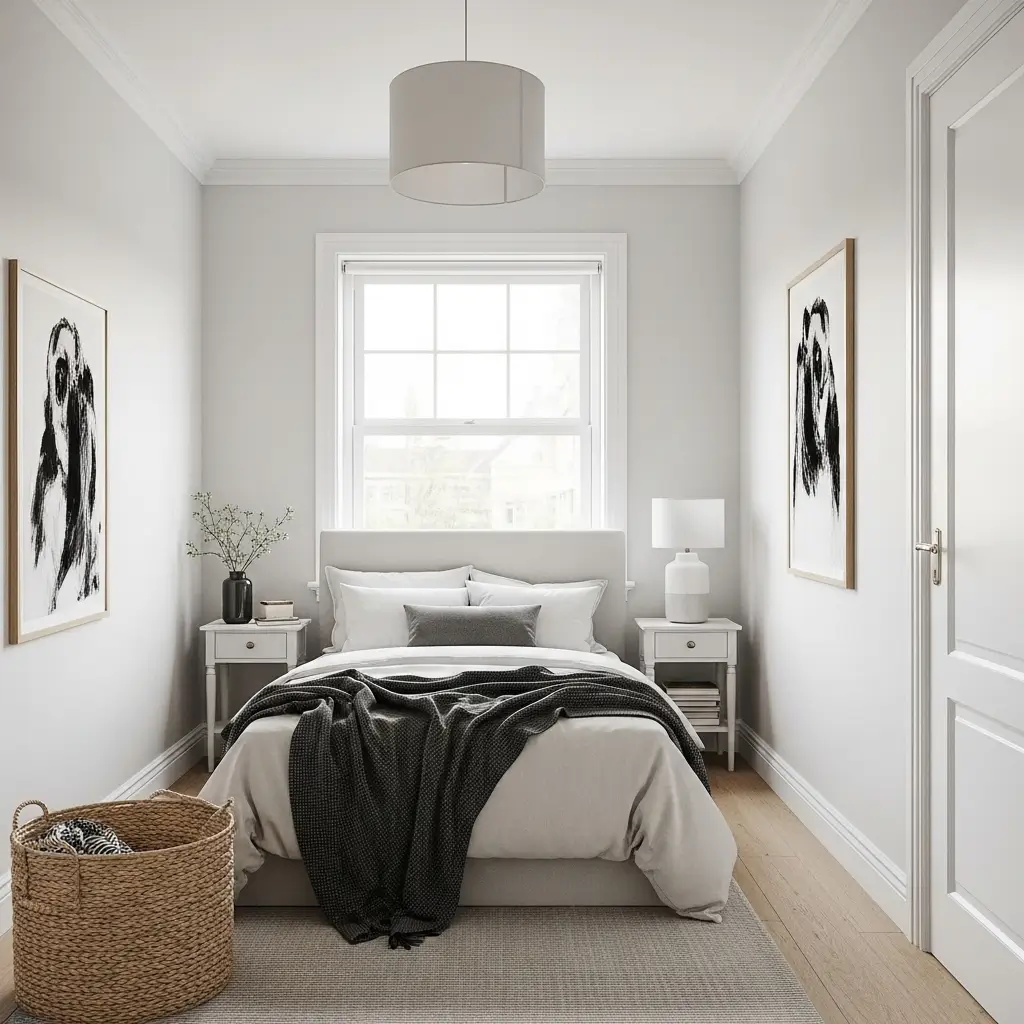
Dark colors absorb light and shrink a room instantly. Light colors reflect light and push the walls outward.
I learned this the hard way after painting my tiny bedroom a moody navy blue. I felt like a bear hibernating in a cave! I quickly repainted everything a crisp, warm white.
The room instantly doubled in size, IMO. You should rely on whites, creams, and pale grays for your primary wall colors.
The Seamless Transition Trick
Painters often paint trim a bright white and the walls a different color. You should completely ignore this standard rule.
Paint your walls, trim, baseboards, and doors the exact same light shade. This technique erases visual boundaries instantly.
Your eyes glide across the room without hitting sharp stopping points. Matching your trim to your walls creates a continuous, expansive flow.
Adding Contrast Without Shrinking the Space
You might worry that all-white rooms look like sterile hospital wards. You can easily add warmth through textures instead of heavy wall colors.
Bring in natural wood elements, woven jute rugs, and chunky linen throws. If you crave actual color, use pastel accents strategically.
A soft sage green pillow or a pale blush pink throw blanket adds personality without closing in the space.
2. Choose Furniture That Earns Its Keep
Small spaces demand ruthless furniture selection. You cannot afford to keep a giant, puffy recliner that eats half the living room.
Every piece must serve a purpose or look incredibly sleek. I swapped my massive, overstuffed sectional for a streamlined sofa and never looked back. You will find that visual weight matters just as much as physical size.
Lift Everything Off the Floor
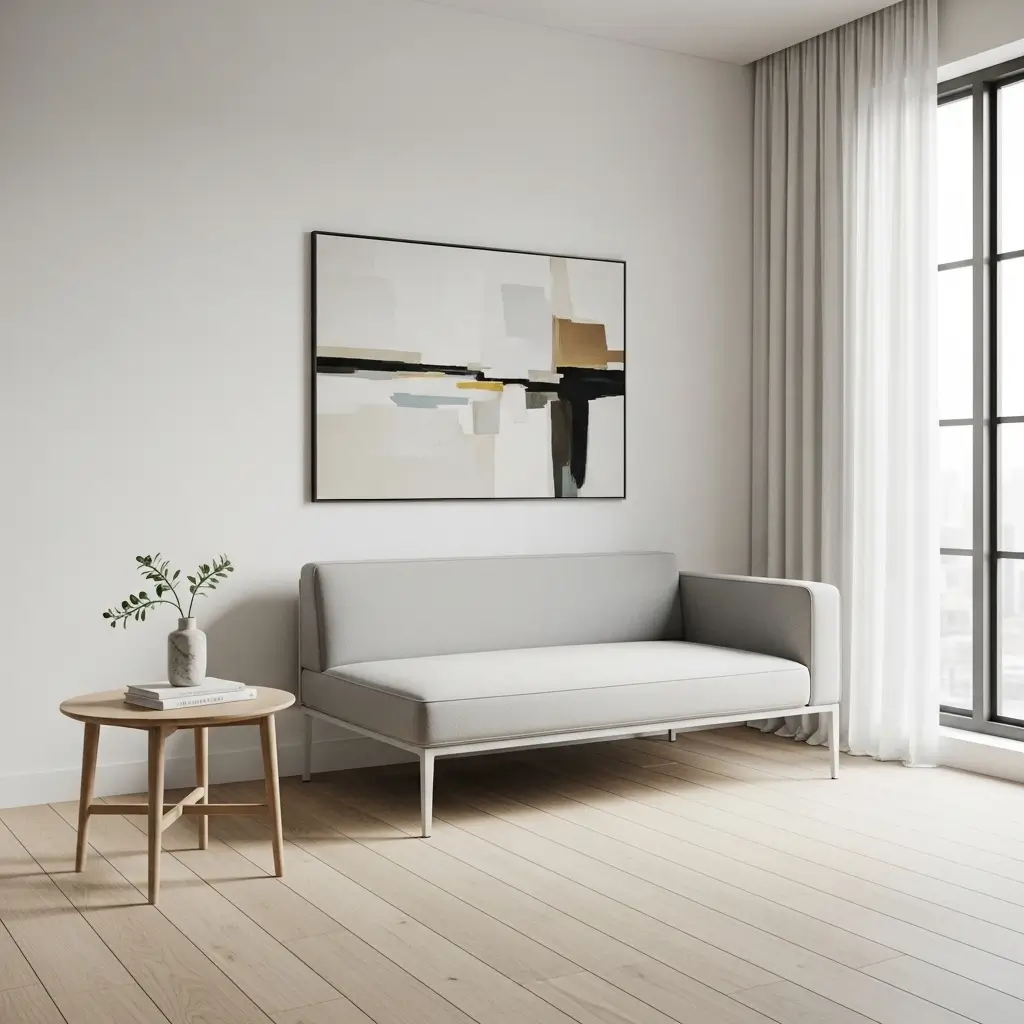
Chunky furniture sits heavily on the floor and blocks your line of sight. You need to buy furniture with tall, exposed legs.
Compare a heavy Chesterfield sofa to a sleek mid-century modern couch. The Chesterfield swallows the room, while the mid-century couch lets the room breathe.
Seeing the floor underneath a sofa or chair makes the entire room feel airy and open. Choose slender metal frames and raised wooden legs to let light flow freely around your furniture.
Embrace Multi-Functional Masterpieces
Why buy a basic wooden box when you can buy a coffee table with hidden storage compartments? You must demand more from your furniture. Invest in pieces that perform double duty every single day.
- Storage ottomans: Use them as footrests, extra seating for guests, or secret hiding spots for ugly charging cables.
- Nesting tables: Pull them out when you host parties and tuck them away when you need open floor space.
- Drop-leaf dining tables: Expand them for dinner dates and fold them flat against the wall for everyday use.
- Platform beds with drawers: Eliminate the need for a bulky dresser by storing your off-season clothes right under your mattress.
3. Exploit the Power of Mirrors and Light
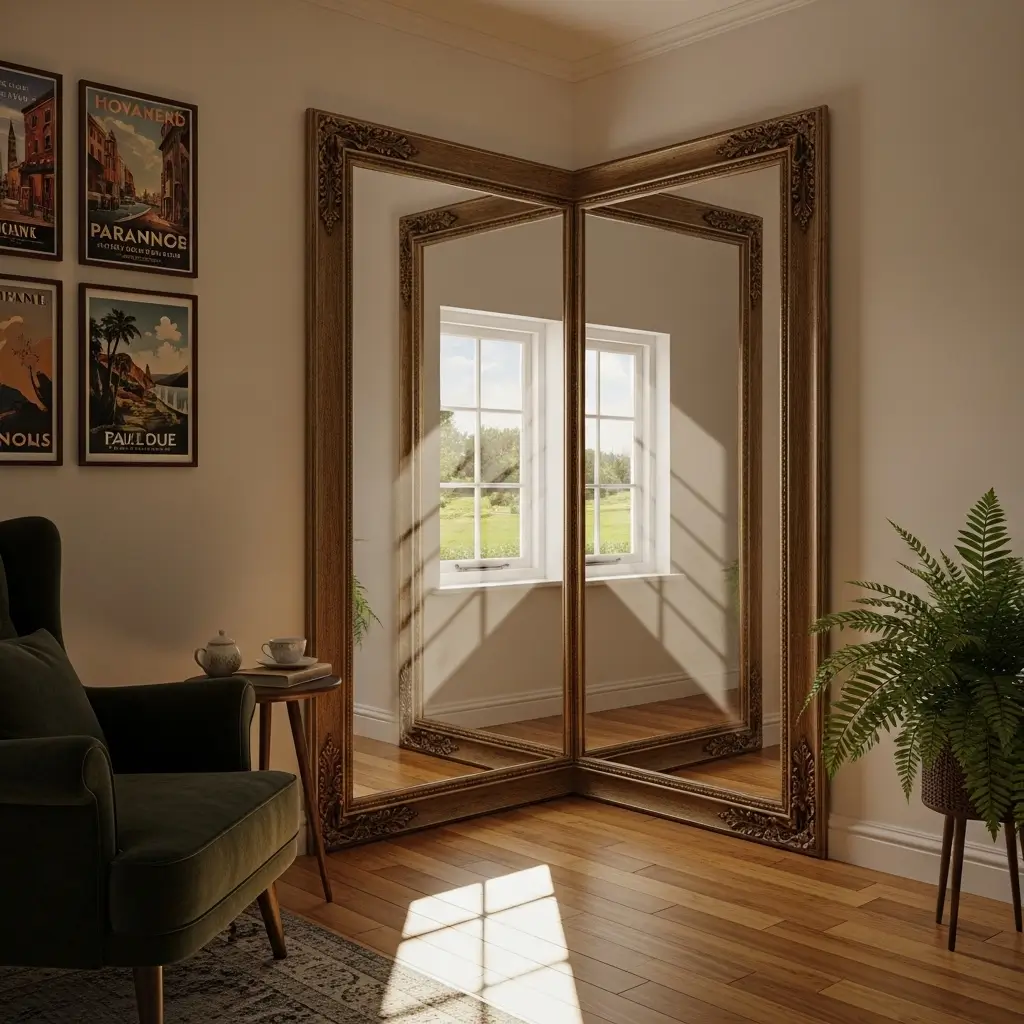
Mirrors act as magical portals in interior design. They fake the existence of extra square footage brilliantly.
I once placed a giant floor mirror opposite my single, pathetic little window. It completely fooled my friends into thinking I had corner windows. You need to leverage this optical illusion immediately.
Strategic Mirror Placement
Do not just hang a tiny mirror in a dark hallway corner. You must place mirrors where they catch and bounce the most light.
Position a large mirror directly across from your main natural light source. This strategy doubles the sunlight in your room and projects the outdoor view inside.
You can also place a tall mirror behind a piece of furniture to create the illusion of a hidden doorway or hallway.
Ditch the Heavy Drapes
Heavy, dark window treatments block precious sunlight and look incredibly oppressive. You must maximize every single ounce of natural light your home gets.
Remove those thick, dusty velvet curtains today. Replace them with sheer linen panels or simple, low-profile roller shades.
If privacy permits, leave your windows completely bare. Unobstructed windows pull the outdoors inside and push your visual boundaries outward.
4. Draw the Eye Upward
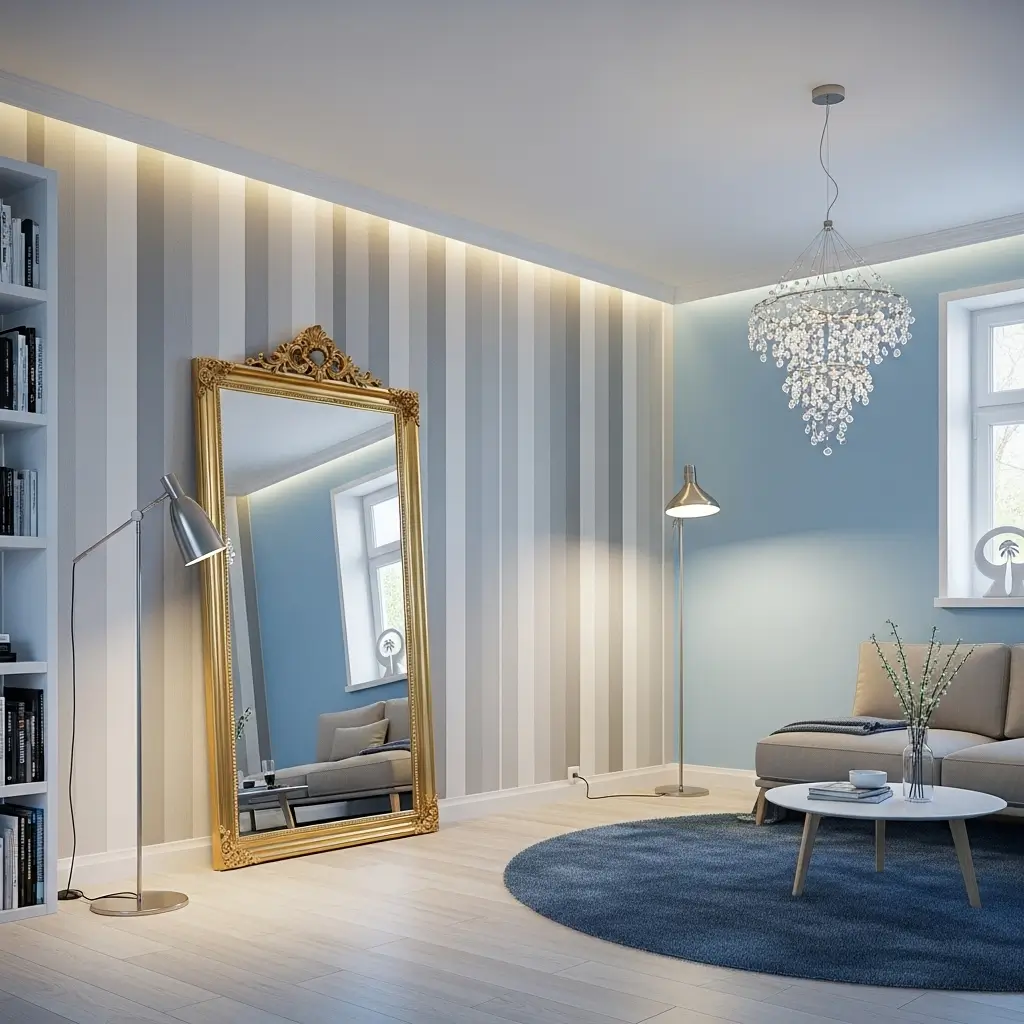
You probably obsess over your limited floor space constantly. You completely forget about the vast vertical space right above your head.
You can make a low ceiling look much taller using a few simple visual tricks. Tall ceilings trick the brain into perceiving a much larger room overall.
The High-Water Curtain Rule
Most people hang their curtain rods directly above the window frame. You must stop doing this immediately. Mount your curtain rods as close to the ceiling as humanly possible.
Let the fabric cascade all the way down to kiss the floor. This creates a long, continuous vertical line that forces the eye upward. Your guests will think your ceilings reach the sky.
Floor-to-Ceiling Shelving
Short, wide bookcases chop up your wall space and look incredibly clunky. You should install tall, narrow shelving units instead.
Build shelves that reach all the way to the ceiling molding. You can store your lesser-used items, like holiday decor or old yearbooks, on the very top shelves. This setup provides massive storage and creates a towering vertical focal point.
5. Adopt a Ruthless Decluttering Habit
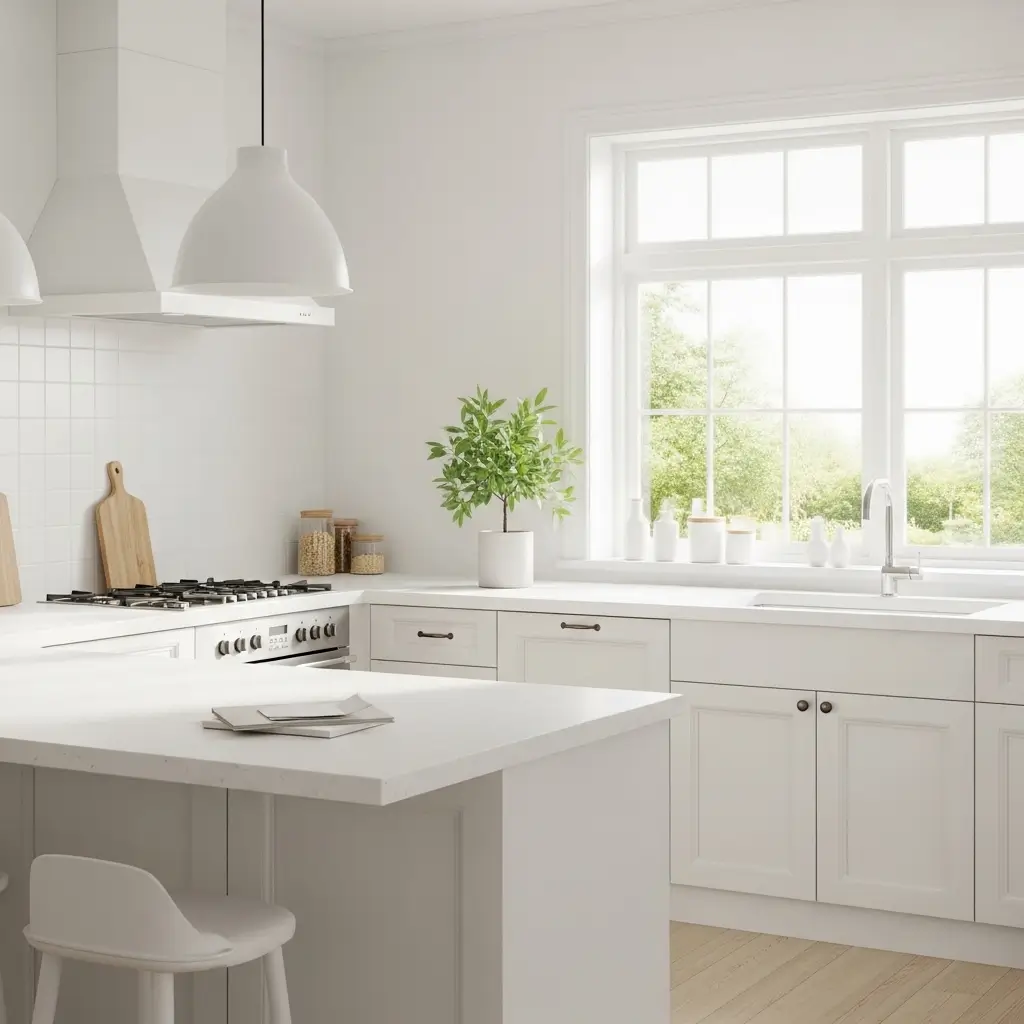
Visual clutter destroys small spaces faster than anything else. You can paint everything white and buy leggy furniture, but piles of mail and excessive knick-knacks will ruin the effect completely.
You must adopt a minimalist mindset. I clear off my kitchen counters every single night before bed. The difference it makes in the morning feels incredible.
The “One In, One Out” Policy
You cannot keep accumulating stuff if you live in a tiny home. You need strict boundaries for your possessions. Adopt the “one in, one out” rule right now. If you buy a new sweater, you must donate an old one. If you purchase a new book, you must give away one you already finished. Controlling your inventory prevents clutter from suffocating your precious square footage.
Hide the Everyday Mess
You need daily items like laptop chargers, car keys, and television remotes. You do not need to look at them 24/7. Buy beautiful woven baskets and decorative wooden boxes. Stash your ugly, practical items inside these attractive containers. Clear, empty surfaces make a room feel calm, clean, and ultimately, much larger.
6. Use Rugs to Define the Space
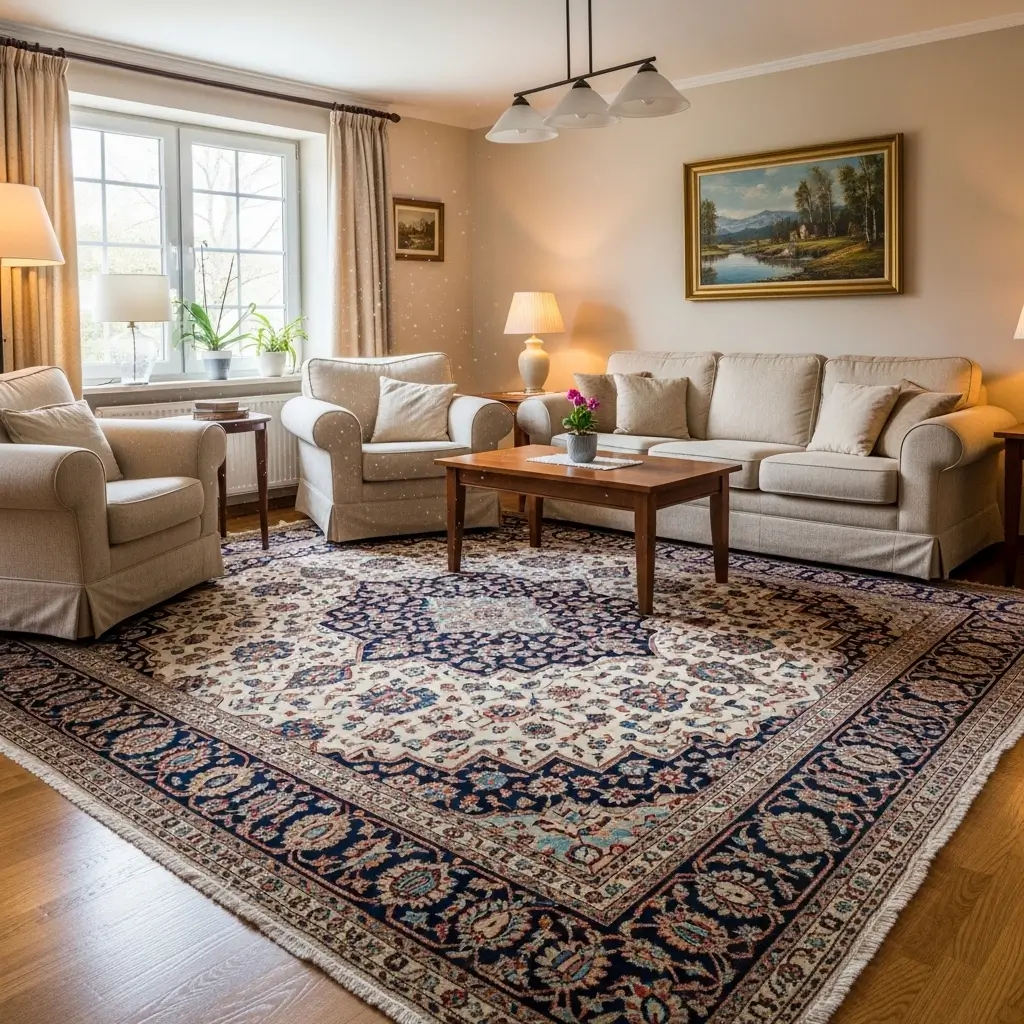
You might think a small rug fits a small room perfectly. You would be completely wrong. Tiny rugs actually break up the floor plan and make the room look fragmented. You need to think big when you buy rugs.
Size Matters in Floor Coverings
A large rug unifies the furniture and creates a cohesive, expansive zone. Your rug should sit firmly under the front legs of all your main furniture pieces.
This grounds the sitting area and pushes the boundaries of the room outward. If you use a tiny rug that floats awkwardly in the middle of the floor, you just highlight the room’s limited footprint.
Keep Patterns Subtle
Busy, loud rug patterns distract the eye and overwhelm small spaces instantly. You should choose rugs with subtle textures or large, simple geometric designs.
Compare a loud, multi-colored floral rug to a simple, textured jute rug. The floral rug fights the room, while the jute rug quietly supports it. Choose solid colors or faded vintage patterns to add warmth without causing visual chaos.
7. Smart Lighting Makes a Massive Difference
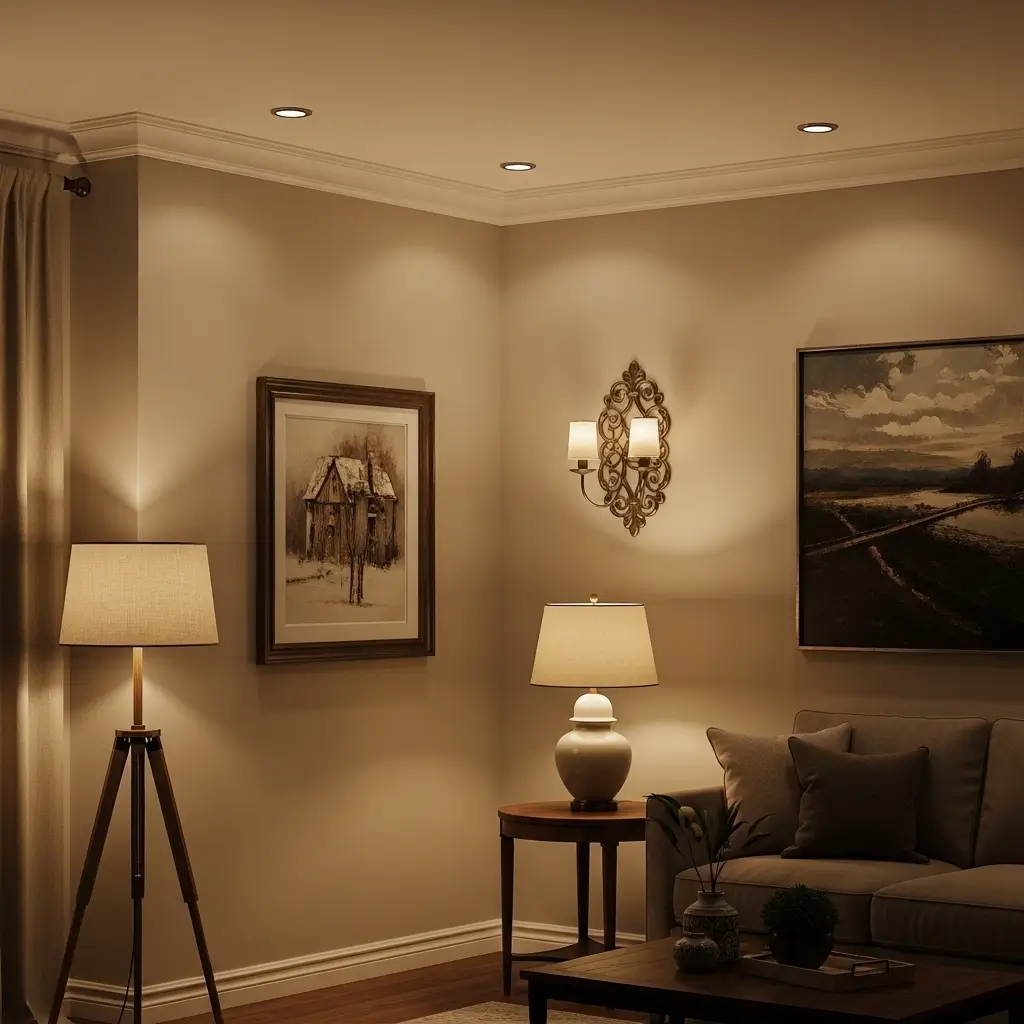
A single overhead light creates harsh, gloomy shadows and shrinks a room rapidly. You must banish the basic “boob light” from your ceiling.
You need multiple light sources to illuminate every dark corner. Lighting completely changes the mood and perceived size of any space. FYI, upgrading your light fixtures might be the cheapest renovation you can make.
Layer Your Lighting Sources
You should distribute light evenly around the entire room. Combine different types of fixtures to eliminate shadows and create depth.
- Task lighting: Use sleek desk lamps and reading lights for focused activities like working or reading.
- Ambient lighting: Install dimmable floor lamps in the corners to create a soft, overarching glow.
- Accent lighting: Mount picture lights or small uplights to highlight your artwork or house plants.
Utilize Wall-Mounted Fixtures
Chunky table lamps take up precious surface area on your nightstands and side tables. You should install wall-mounted sconces instead.
Plug-in sconces require no hardwiring and look incredibly chic. Moving your lighting to the walls frees up your tabletop space and makes the area look totally uncluttered.
8. Create Clear Traffic Patterns
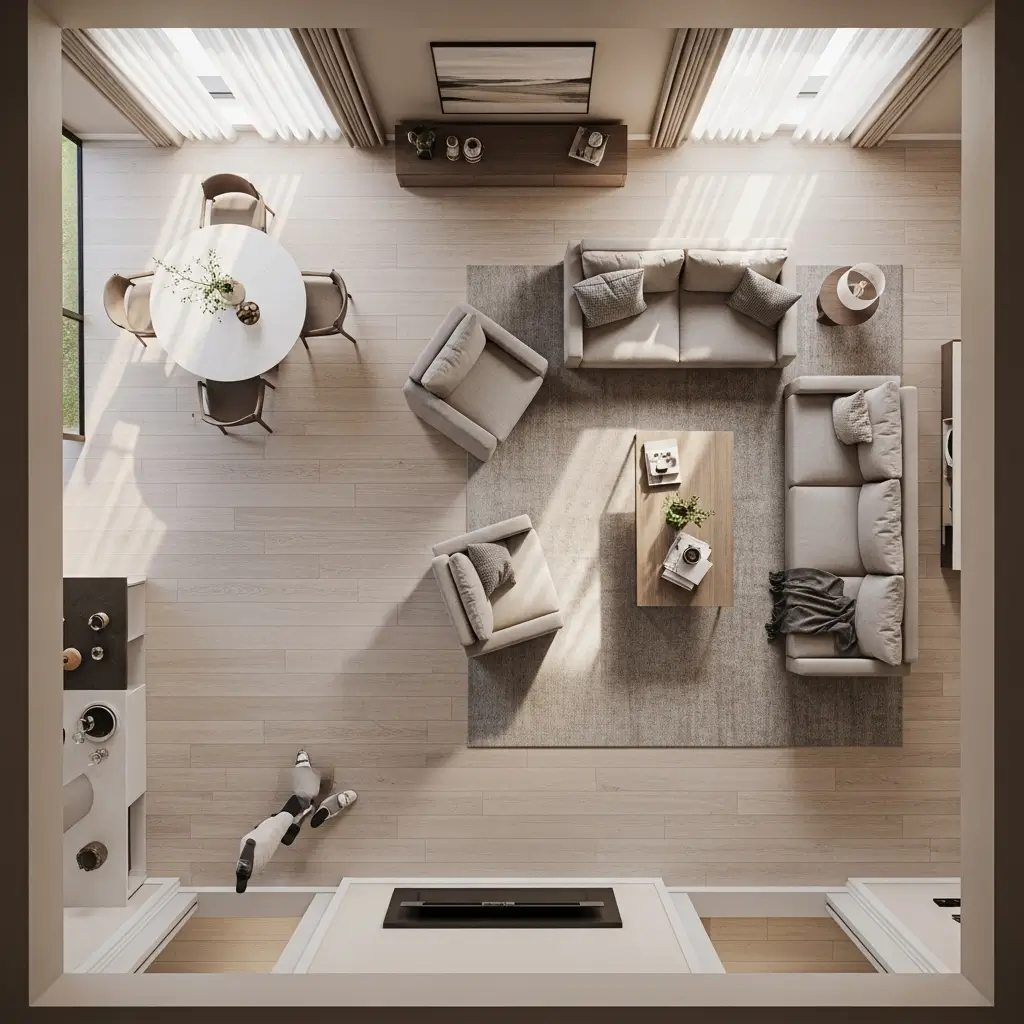
You need to walk through your home without tripping over ottomans or squeezing past dining chairs. Poor furniture placement creates frustrating, zigzagging obstacle courses. You must give yourself room to breathe and move naturally.
Float Your Furniture
Most people push all their furniture flat against the walls. They mistakenly think this maximizes the open space in the middle.
This actually creates a weird, dead zone in the center and makes the walls feel rigid and unyielding. Pull your sofa a few inches away from the wall. This simple gap creates a sense of depth and makes the room feel surprisingly airy.
Respect the Pathways
Map out how you walk from the front door to the sofa, or from the bed to the closet. Keep these main arteries completely clear of any obstacles.
You should leave at least two feet of walking space between major furniture pieces. If you constantly shimmy sideways to reach your kitchen, you have too much furniture in the way.
9. Glass and Lucite Are Your Best Friends
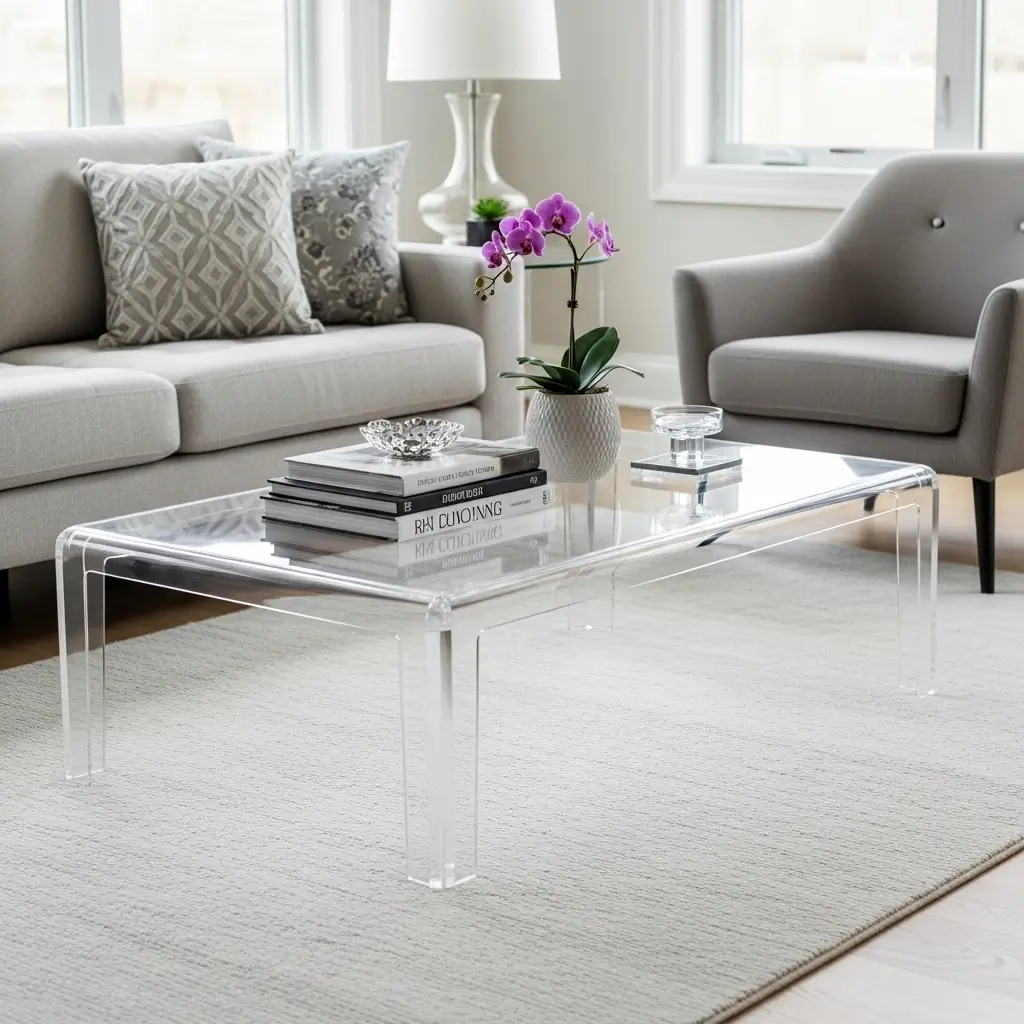
Solid wooden coffee tables block your view of the rug and the floor beneath them. You can easily trick the eye by using transparent materials instead.
I bought a clear acrylic coffee table last year. It practically disappeared into the room and immediately made my living area feel twice as large.
The Magic of Transparency
Lucite, acrylic, and glass furniture serve their functional purpose without adding any visual weight. You look right through them.
- Acrylic dining chairs: Pull them up to your dining table to keep the dining zone looking open.
- Glass console tables: Place one in your entryway for a functional drop zone that takes up zero visual space.
- Clear side tables: Use them next to your sofa to hold your coffee mug without cluttering the view.
Keep Glass Spotless
Transparent furniture only works if you keep it meticulously clean. Smudges, fingerprints, and dust highlight the surface and ruin the invisible effect completely.
You must wipe down your glass and acrylic pieces regularly. Use a clean microfiber cloth and a gentle glass cleaner to maintain the transparent illusion perfectly.
Big Style in a Small Footprint
You do not need a massive mansion to live beautifully. You just need to apply a little design strategy and outsmart your floor plan.
Paint your walls a crisp, seamless white, buy sleek furniture with exposed legs, and hang those curtains as high as they will go.
Purge the unnecessary clutter and let the natural light pour into every corner. You hold the ultimate power to transform a cramped box into a spacious sanctuary. Grab a paintbrush, rearrange that heavy sofa, and start maximizing your square footage today.