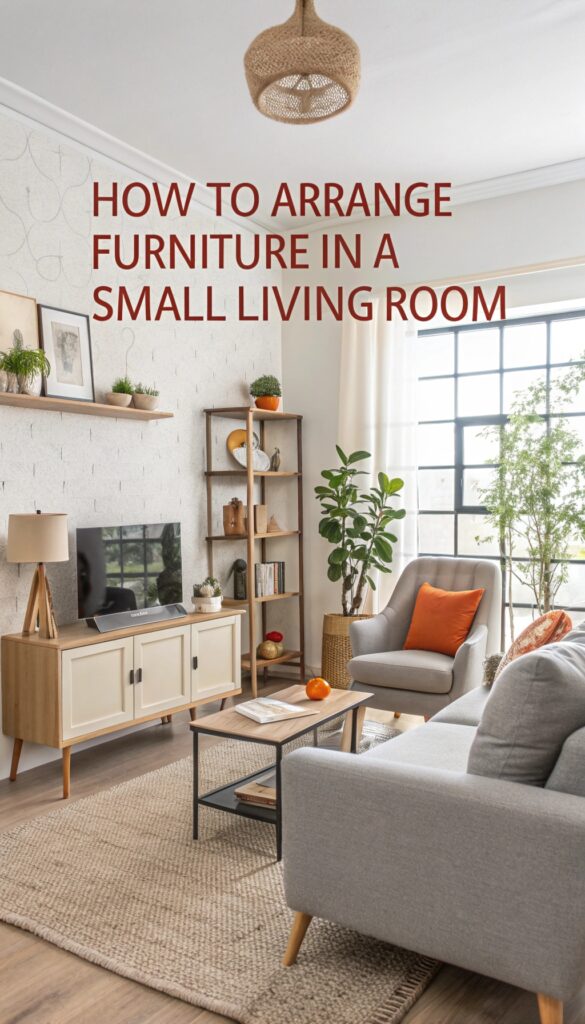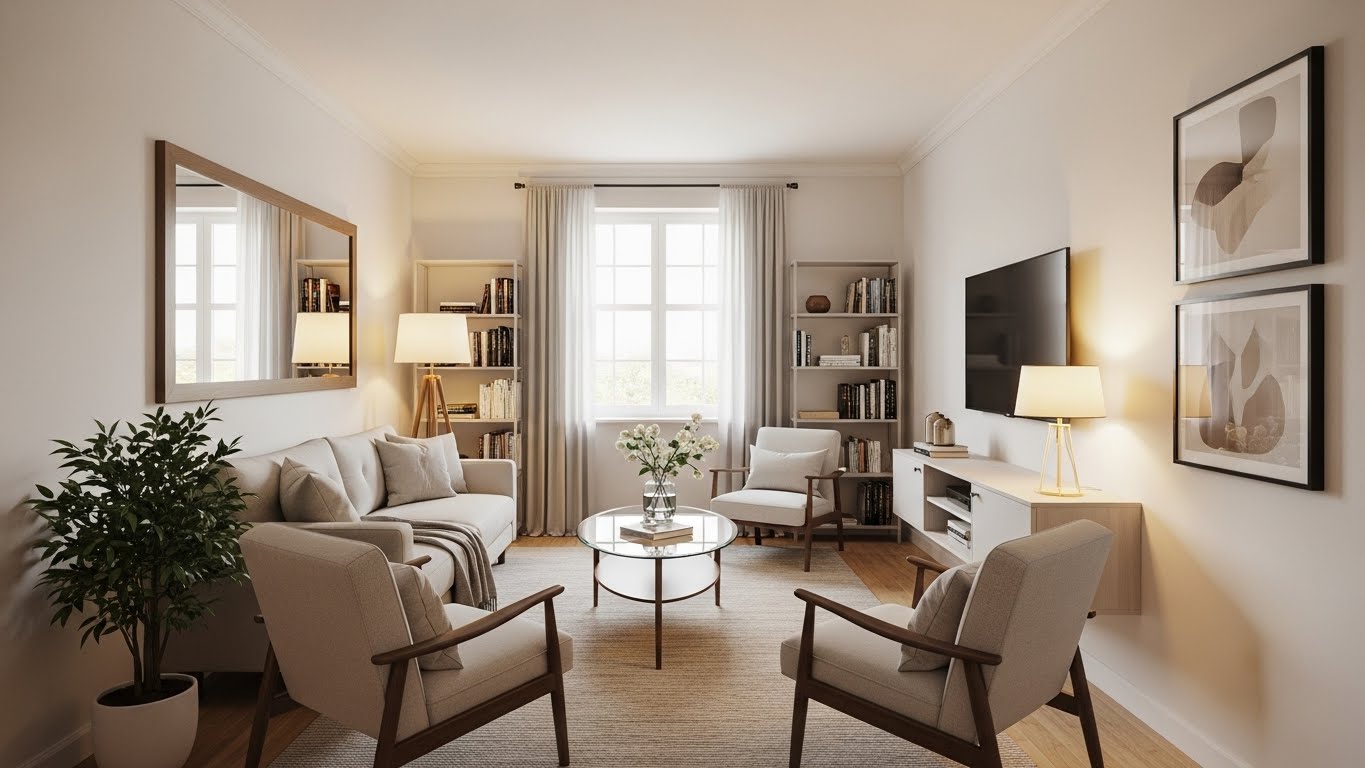
If you’re staring at a tight space, wondering where a sofa could possibly go, you’re not alone. I faced the same struggle in my 10×12 apartment and managed to transform it into a warm, functional retreat no renovation, no big budget.
The secret isn’t magic or design-school jargon. It’s strategy. Thoughtful placement, visual balance, and a few bold decisions can completely shift how a room feels. With the right approach, even the smallest living room can breathe, flow, and feel surprisingly spacious. Let’s talk today.
1. Measure Twice, Panic Once

Ever tripped over a coffee table you swore would fit? Yeah, me too—lesson learned the hard way.
Start by grabbing a tape measure. Measure your room’s exact dimensions, doors, windows, and any awkward corners. Note traffic flow—people need space to walk without doing the furniture dodge.
- Room length/width/height: Sketch a quick floor plan on paper or an app like Room Planner.
- Furniture sizes: Check each piece’s width, depth, and height. Add 6-12 inches around for walkways.
- Windows/doors: Keep 36 inches clear for paths.
This step saves headaches. IMO, skipping it turns your small living room layout into a Tetris fail.
2. Pick Multi-Functional Furniture Heroes
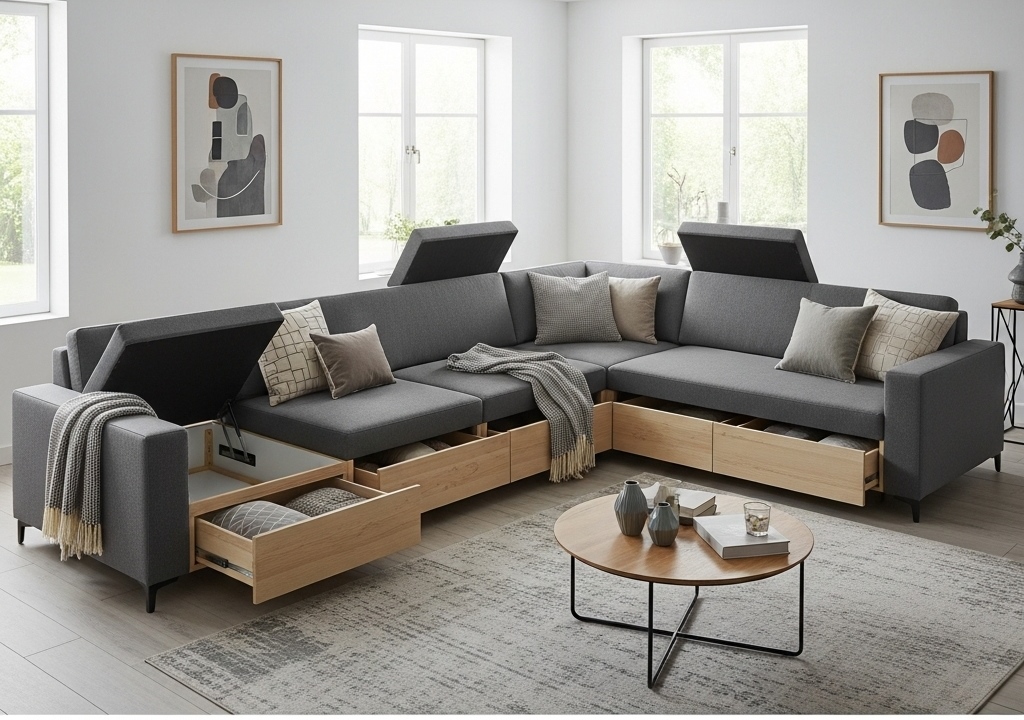
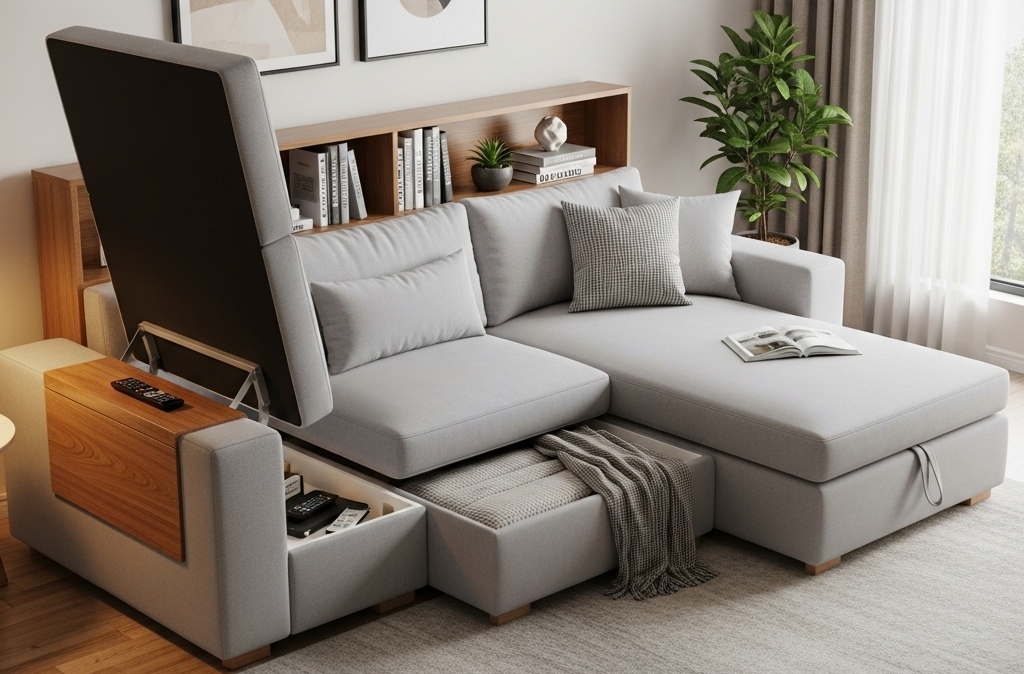
Why hoard pieces when one can do the job of three? Opt for multi-functional furniture to maximize every inch.
I swear by my ottoman-with-storage hides remotes, blankets, and my snack stash. It doubles as extra seating when mates drop by.
Rhetorical question: Wouldn’t you love furniture that pulls its weight?
Here are top picks for small living room furniture arrangement:
- Sofas with built-in storage: Lift the seat for hidden compartments. Beats bulky cabinets.
- Loveseats or armless sofas: Slim profile frees up floor space. I ditched my chunky three-seater; room breathed instantly.
- Nesting tables: Stack ’em when not in use. Perfect for coffee or side tables without clutter.
- Wall-mounted shelves: Float above furniture—no floor space stolen.
- Extendable dining tables: Shrink for daily use, expand for pizza nights.
Compare a traditional sofa to a modular one: Modularity lets you rearrange on a whim. Sarcasm alert: Because who doesn’t love wrestling a fixed couch solo?
3. Master the Flow: Create Zones Without Walls
Small rooms scream chaos if you cram everything together. Zone your space to guide eyes and feet naturally.
I divide mine into lounging, TV, and chat zones. Feels open, not squeezed.
Ask yourself: Where do you chill most? Build around that.
Lounge Zone Basics
Push the sofa against the longest wall. Face it toward the focal point—like a TV or window—for conversation flow.
Leave 18-24 inches between pieces. My trick? Angle the sofa slightly to open up the room visually.
TV and Entertainment Spot
Mount the TV on the wall—saves surface space. Position chairs or a loveseat opposite, not blocking paths.
Pro tip: Use a slim console underneath with cable management. No more tangled mess mocking you.
Multi-Use Corners
Corners waste away in small spaces. Tuck in a floor lamp and armchair for reading nooks.
I added a slim bookcase there once—boom, library vibe without eating center space.
4. Vertical Vibes: Go Up, Not Out
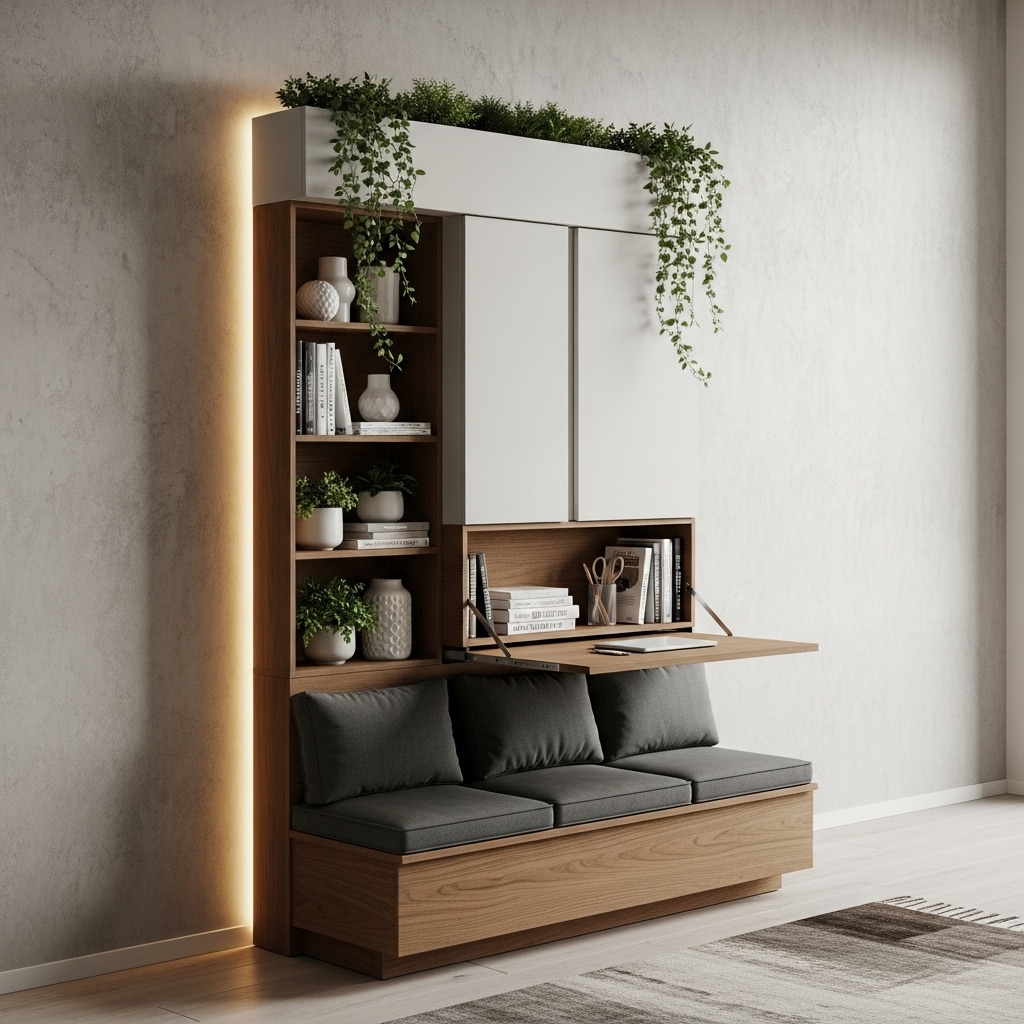
Floors maxed out? Look up, friend. Vertical furniture arrangement tricks the eye into seeing more space.
Ever wondered why tall rooms feel airy? Mimic that.
- Tall bookshelves: Reach the ceiling to draw eyes upward. Anchor with furniture at the base.
- Hanging chairs or swings: Fun, space-saving seats. My hammock chair sways guests into relaxation mode.
- Over-door organizers: Sneaky storage for remotes or throws.
I layered wall art in a grid above my sofa. Creates height illusion—small living room feels huge.
5. Lighting and Mirrors: Your Space-Doubling Sidekicks
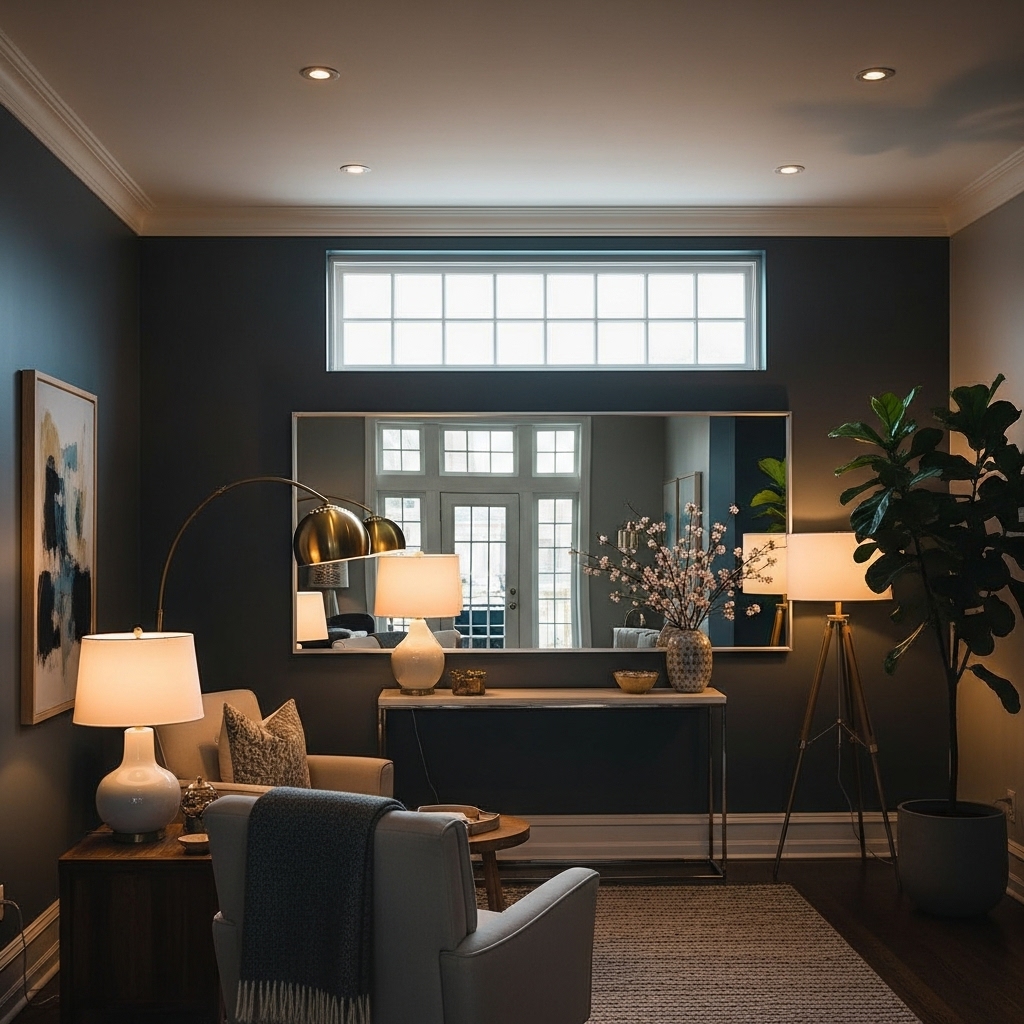
Dark rooms shrink visually. Layer lighting to brighten and expand.
Mix floor lamps, table lamps, and recessed lights. Position floor lamps in corners—they bounce light without hogging floor.
Mirrors are magic. Hang a large one opposite a window to reflect light and depth. I placed mine over a slim console; room doubled in feel overnight.
Compare: One central bulb vs. layered lights. Layers win—cozy, not cave-like.
Rhetorical nudge: Why settle for dim when glow-up’s this easy?
6. Color and Scale: Keep It Light and Tight
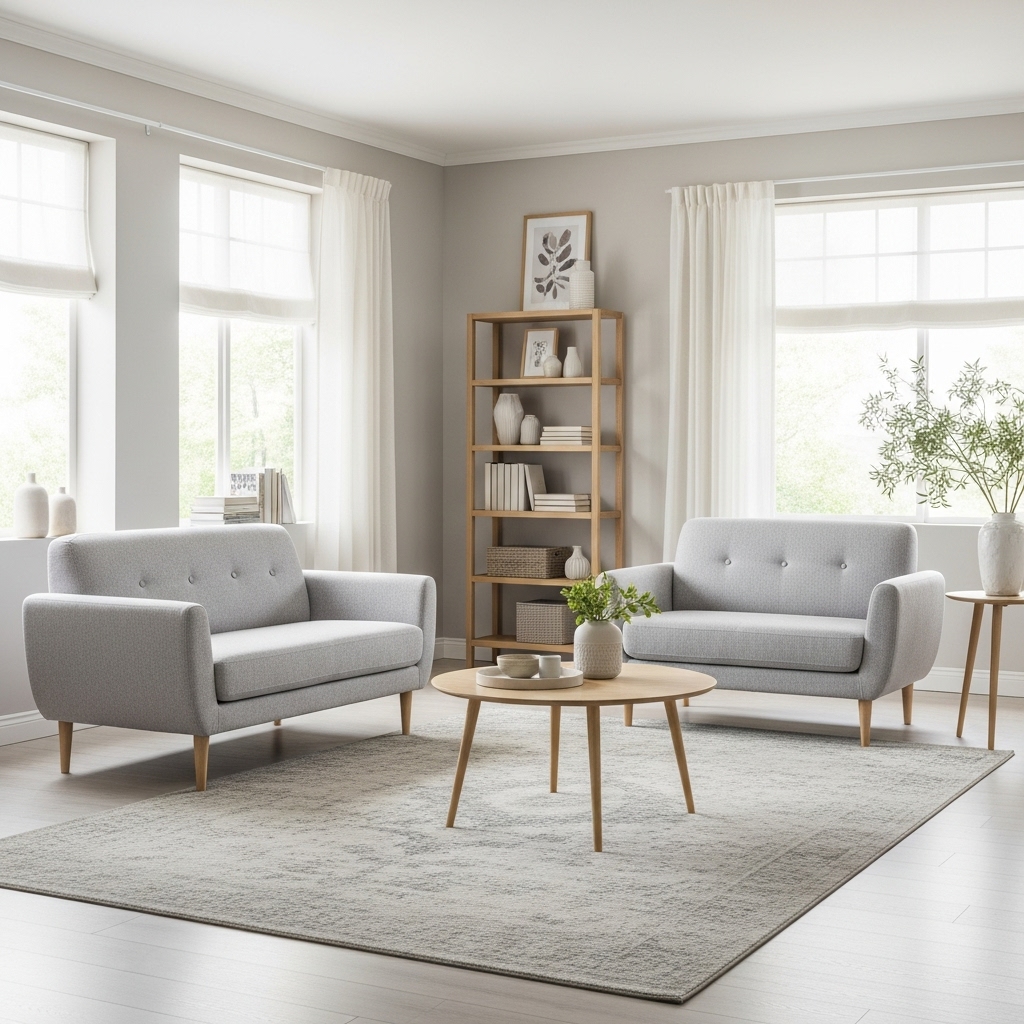
Big, dark furniture swamps small rooms. Choose light colors and proportional scales.
Pale neutrals like beiges or soft grays recede visually. Pair with leggy furniture (raised on legs) for airflow underneath.
My old dark leather sofa? Swapped for light linen—airier instantly. Legs let you see the floor, a game-changer.
Scale check:
- Sofa: No wider than 2/3 of wall length.
- Rugs: Overlap furniture by 6-12 inches; anchor the space.
- Art: Gallery walls at eye level, not floor-to-ceiling overload.
Avoid matchy-matchy sets. Mix textures a velvet chair with wood accents keeps it lively.
7. Rug It Right for Grounded Magic

Bare floors echo and expose limits. A well-placed rug defines zones without walls.
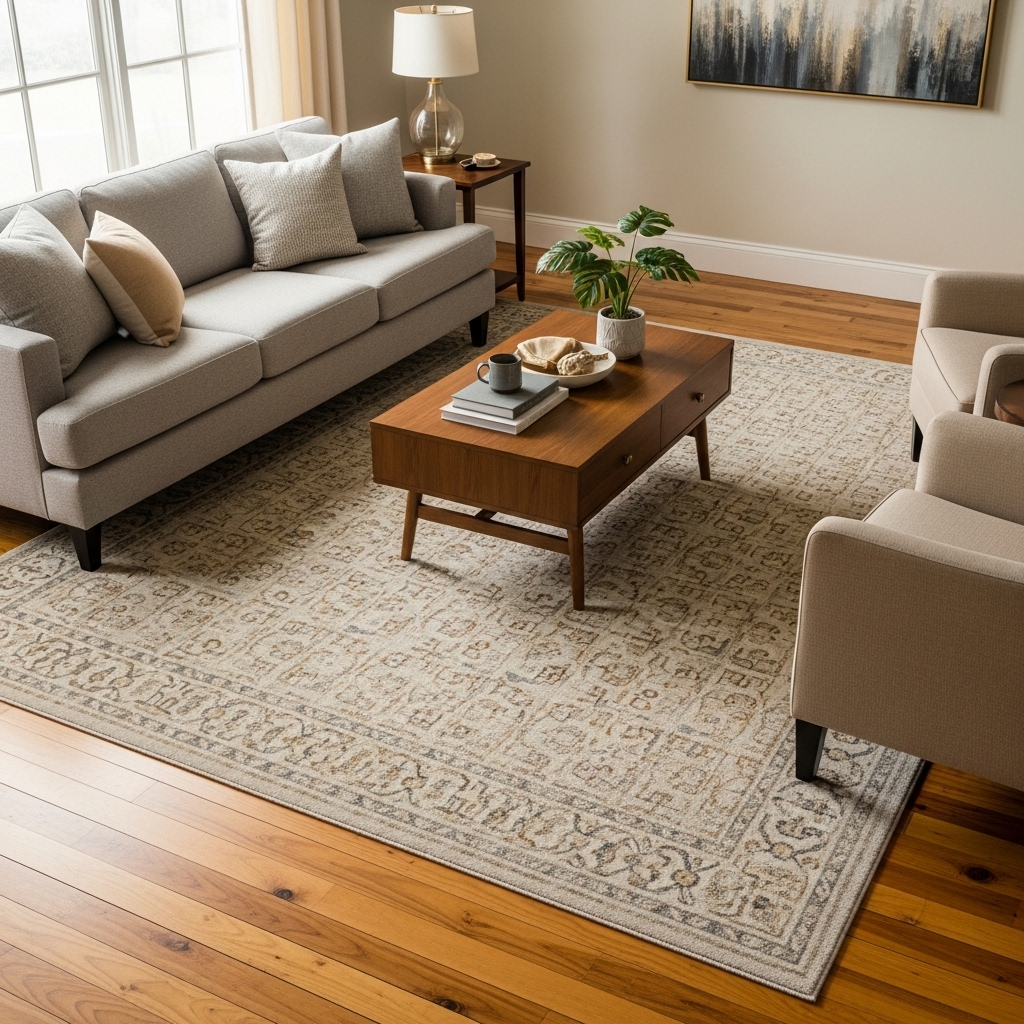
Pick one that fits the largest zone like under the sofa and coffee table. Let 12-18 inches of floor peek around edges.
I chose a low-pile rug in my setup. High-pile trips you up and hides dirt—FYI, not worth it.
Rug rules:
- Front legs of sofa on the rug for cohesion.
- All furniture legs on if room’s tiny unifies.
- Patterned rugs camouflage mess; solids spotlight it.
This grounds your furniture arrangement ideas beautifully.
Declutter Like a Boss
Great arrangement flops with junk everywhere. Declutter ruthlessly before rearranging.
I Marie Kondo’d my space kept only joy-sparkers. Donate the rest.
- Sort into keep, donate, trash.
- Use baskets under consoles for daily hides.
- Wall hooks beat coat racks.
Question for you: How much freer does a purged room feel?
8. Common Pitfalls and Fixes
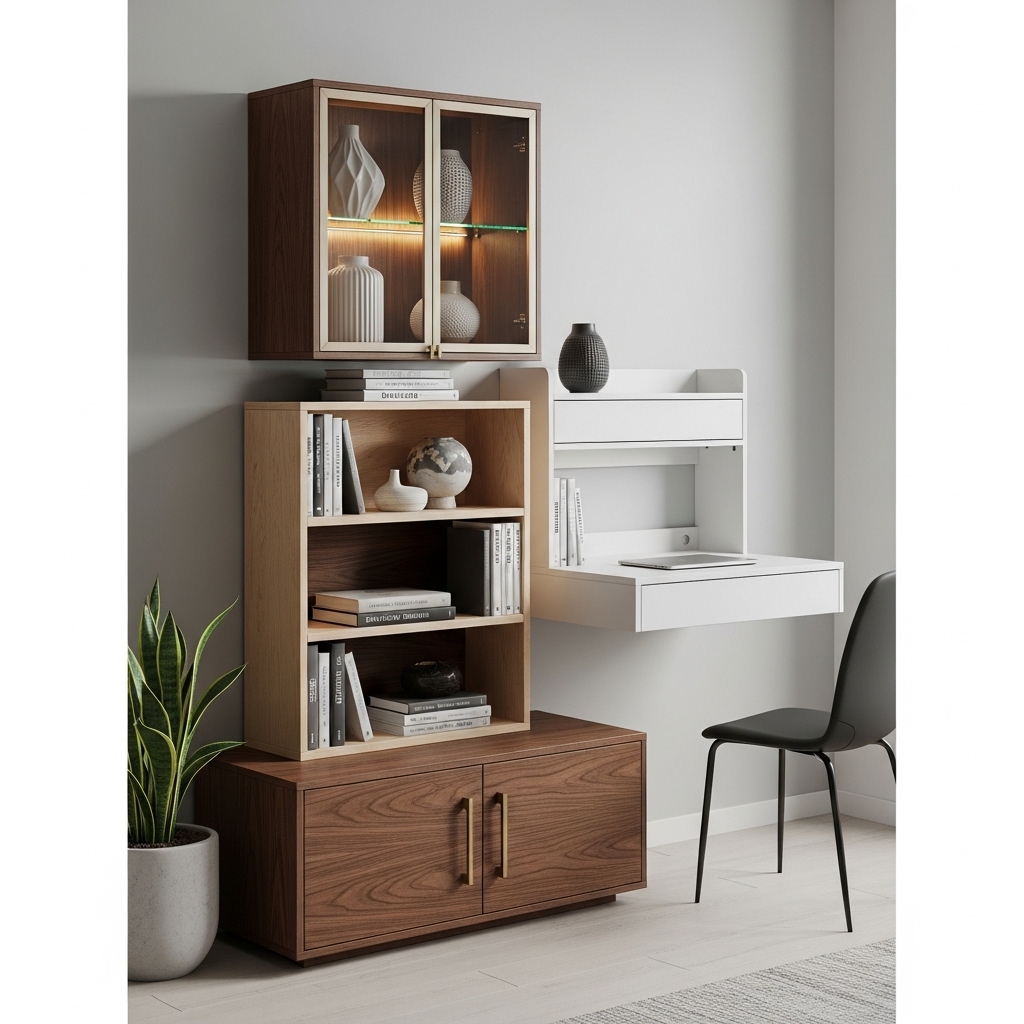
We all mess up. Here’s how I fixed mine.
Pitfall 1: Blocking windows. Solution: Float furniture 6 inches from walls. Lets light flood in.
Pitfall 2: Too much stuff. Fix: One focal piece per zone like a standout lamp or art.
Pitfall 3: Ignoring traffic. Test paths by walking blindfolded (safely!). Adjust.
Sarcasm time: Because nothing says “welcome” like shin-banging obstacles.
Real-Life Hacks from My Pad
Personal share: My flat’s a shoebox, but zoning nailed it. Sofa along the wall, nesting tables center, mirror opposite the balcony. Guests rave small living room layout transformed.
9. Quick Wins for Instant Impact
Need fast changes? Try these small living room furniture arrangement tips:
- Rotate pieces 90 degrees for fresh flow.
- Lift with risers under legs more sweep space.
- Foldable screens as temporary dividers.
Boom results without sweat.
Wrapping It Up
There you have it how to arrange furniture in a small living room with smarts, not stress. Measure smart, pick versatile pieces, zone flow, go vertical, light it up, scale right, rug wisely, declutter, dodge pitfalls, and hack away. Your space will pop.
Now, grab that tape measure and play. What’s the first change you’ll make? Hit me up—I’d love to hear how it turns out!